Medical Disclaimer: This article is for informational purposes only. For the latest outbreak information, visit CDC.gov and WHO.int. If you believe you have been exposed to hantavirus, seek emergency medical care immediately. Information in this article is sourced from the CDC, WHO, and peer-reviewed medical literature.
Recent reports about the MV Hondius have brought hantavirus into the national spotlight, leaving many Americans hoping to assess their own risk. While the news reports strongly on the impact of current outbreaks, knowing the real biological risks associated with hantavirus will be crucial for long-term safety. This is a severe respiratory disease initially transmitted by rodents, but its impact varies significantly by strain and geography.
This article defines exactly what is hantavirus, How does virus spread in people, and the practical follow-ups you can take to protect your and your family’s health.
What is Hantavirus?
“Hantavirus” refers to a group of viruses that are primarily caused by rodent transmission. In the United States, the most commonly known hantavirus is called the Sin Nombre virus (translated as “No Name” or “Nameless”), which is primarily located in areas of the southwest. Conversely, currently at the global level in 2026 the Andes virus creates a concern, as there is very low person-to-person transmission of this strain of the virus.
These viruses can also cause a respiratory condition called “Hantavirus Pulmonary Syndrome” (HPS), which is one of the most severe and potentially fatal respiratory illnesses for human beings. Although the World Health Organization (WHO) is currently defining the current global risk of any strain of hantavirus as being LOW, the potential severity of HPS creates an urgent need for knowledge on prevention and early detection for both US residents and travelers.
Hantavirus Symptoms in Humans
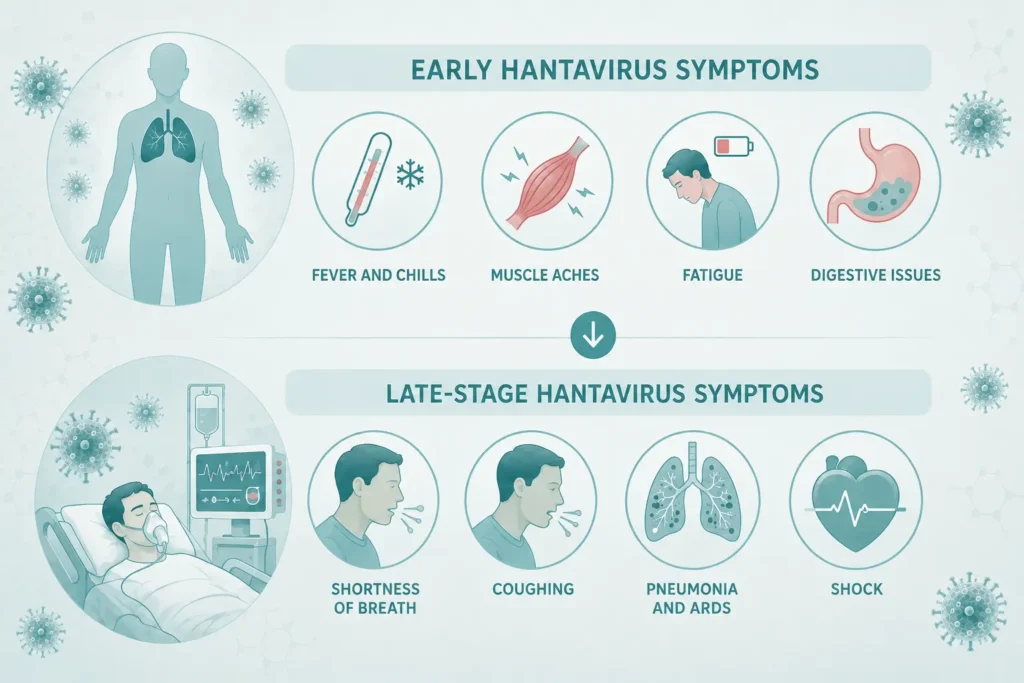
The first step to diagnosing is to recognize symptoms as they develop. The virus progresses rapidly after someone has been infected. Hantavirus symptoms appear between 1 and 8 weeks after being exposed to infected mice or mouse droppings.
The first signs of this virus often resemble the flu and can result in significant delays in diagnosis or treatment. Hantavirus symptoms are as follows:
Early Hantavirus Symptoms (Days 1–5)
- Fever and Chills: An abrupt onset of a fever or high temperature.
- Muscle Aches: Aching muscles, mostly affecting the large muscle groups such as the legs, hips, and back.
- Fatigue: Generalized tiredness.
- Digestive Issues: Some patients report pain in their bellies, nausea or vomiting, or diarrhea.
Late-Stage Hantavirus Symptoms
Between four and ten days after the flu-like symptoms appear, the patient will develop the following:
- Shortness of Breath: As fluid builds in Lungs, the patient will feel like they are “suffocating” (i.e., lacking adequate air to breathe).
- Coughing: The patient will develop a cough that begins and increases in intensity.
- Pneumonia and ARDS: The patient will very quickly develop ARDS (Acute Respiratory Distress Syndrome) as a result of Hantavirus.
- Shock: Low blood pressure due to the patient entering shock and possible organ failure.
| Stage | Hantavirus Symptoms | Action Required |
| Early | Fever, muscle aches, fatigue, headaches | Consult a doctor; mention rodent exposure. |
| Late | Shortness of breath, severe cough, chest tightness | Seek Emergency Care Immediately. |
How Does Hantavirus Spread?
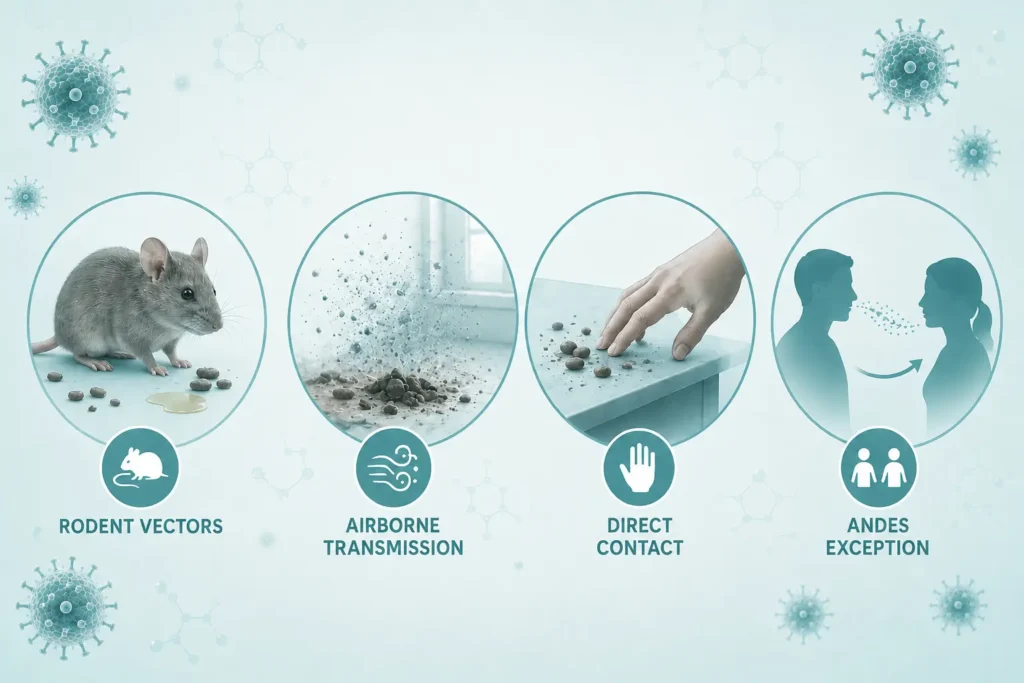
The first step in preventing the spread of this virus is understanding how it is transmitted.
Rodent Vectors: Rodents such as deer mice carry virus in their urine, feces, and saliva. They also shed the virus there and infect other rodents through direct contact.
Airborne Transmission: This is the most common method of transmission. Once the droppings have dried, they become aerosolized (suspended in the air) when a human disturbs them, such as with cleaning or inhaling the contaminated air.
Direct Contact: Touching a contaminated surface with your hand or skin, then putting that same hand or skin into your mouth or nose will expose you to the virus.
Andes Exception: The Andes strain of this virus can also be transmitted by direct contact between persons, although this is a rare occurrence. This fact raises concerns about the MV Hondius outbreak since so many of those infected were passengers onboard.
Hantavirus Risk: Who is at Risk?
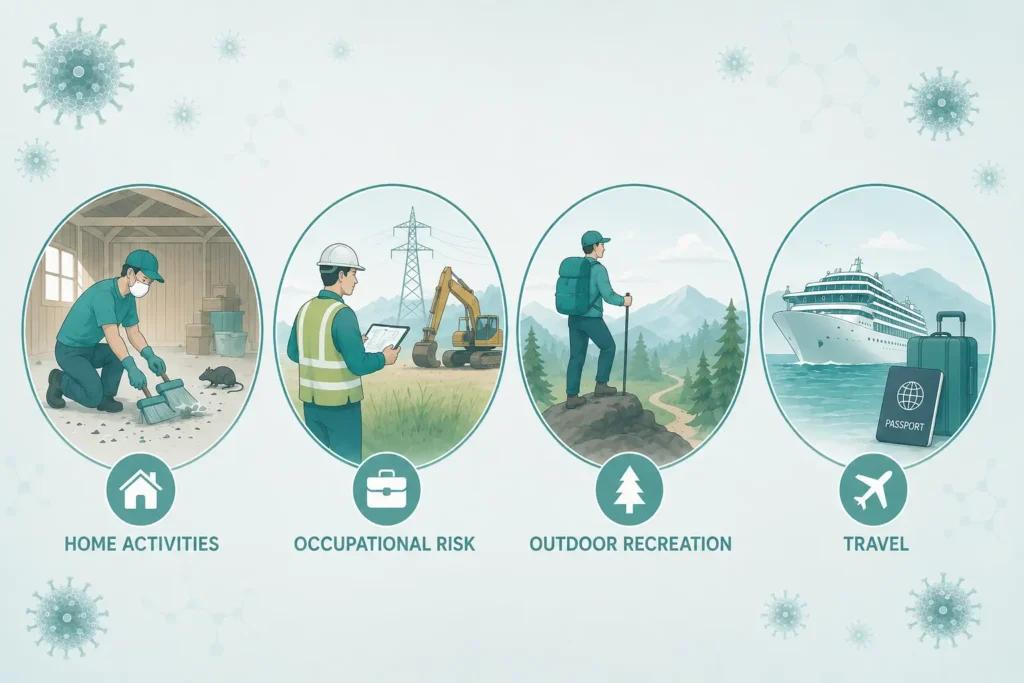
Anyone can get the virus; however, there are differences in the probability of contracting virus through the following activities:
- Home Activities: Cleaning out old barns, cabins, sheds, or other areas where rodents have nested.
- Occupational Risk: Working in construction, utility companies, or farming in areas with a high concentration of rodents.
- Outdoor Recreation: Camping or hiking in the southwestern United States or South America.
- Travel: Recent travel to Chile or Argentina, particularly via cruise ship, has been known to be responsible for some cases.
Is There Any Hantavirus Treatment or Vaccine?
While there is no one-size-fits-all solution to gaining control of rodent populations. As a result, the most effective method for minimizing exposure and controlling the spread of disease from the animals is to create an environment that minimizes their ability to thrive.
At Home and In Cabins
- Seal Gaps: Seal holes greater than ¼ inch to keep rodents from entering.
- Safe Cleaning: Do not sweep or vacuum up rodent droppings, as this will send infectious dust into the air. Spray the area down with a diluted bleach solution (1 part bleach to 10 parts water) and allow it to sit for a minimum of 5 minutes before cleaning it up with paper towels while wearing gloves.
- Air Out: Allow at least 30 minutes for fresh air to circulate through the building by leaving the windows and doors open for at least that amount of time.
While Traveling or Camping
- Avoid Burrows: Avoid putting your tent near an area with active burrows or woodpiles.
- Food Storage: Place all food items into a rodent-resistant container. If possible, store additional supplies in the same place.
- Sleep Elevated: Do not sleep directly on the floor; use a cot or tent with an elevated floor placement.
Final Thoughts
Although it is uncommon, awareness of the virus has become increasingly important as interest in it increases after several recently reported instances involving this virus following travel abroad. Knowing about the symptoms, ways to contract it, and the best way to prevent it can help people to minimize exposure to the virus without inducing undue anxiety about it.
Most Americans have a very low risk of contracting the this virus. Those who are regularly exposed to rodents, rodent droppings, or environments that have been previously controlled for rodents, as well as those who plan to travel to areas or countries where the virus exists, should take appropriate precautions to limit exposure to the virus and gain up-to-date information from government health authorities.
For more health and wellness tips, check out our guides on health blogs on nimble journal.
FAQs
Q. Is hantavirus contagious between people?
Ans. Most strains of the virus are not transmissible from one person to another; however, the Andes strain of the virus found in South America has been identified as transmitting from an infected person to a close friend or family member.
Q. What are the first signs of hantavirus?
Ans. People who are infected with this usually first show flu-like symptoms, such as fever, muscle aches, fatigue, headache, chills, nausea, or gastrointestinal issues.
Q. How deadly is hantavirus?
Ans. The hantavirus can potentially be fatal to a person who becomes infected, especially if the person does not receive timely medical attention. In some cases, heavy-duty cases of hantavirus illnesses in people can lead to respiratory distress; however, if the person is hospitalized early, their chances of surviving are higher.
Q. Can you get hantavirus from a cruise ship?
Ans. Cruise ships themselves are not considered a high-risk factor for transmission of the hantavirus; rather, the likelihood of contracting the hantavirus from a cruise ship is determined more by the amount of exposure to rodents or contaminated surfaces while traveling than the location of the cruise ship itself.
Q. Should Americans be worried about hantavirus right now?
Ans. Currently, health authorities are categorizing the threat to the public as low. As with any disease, it is important for people to keep themselves informed, practice hantavirus prevention methods, and not panic.
Q. What should I do if I think I have hantavirus?
Ans. If you have flu-like symptoms that started after being in contact with rodents or returned from travel to an area where hantavirus is known to occur, please seek medical assistance right away. Getting prompt hantavirus treatment is essential.