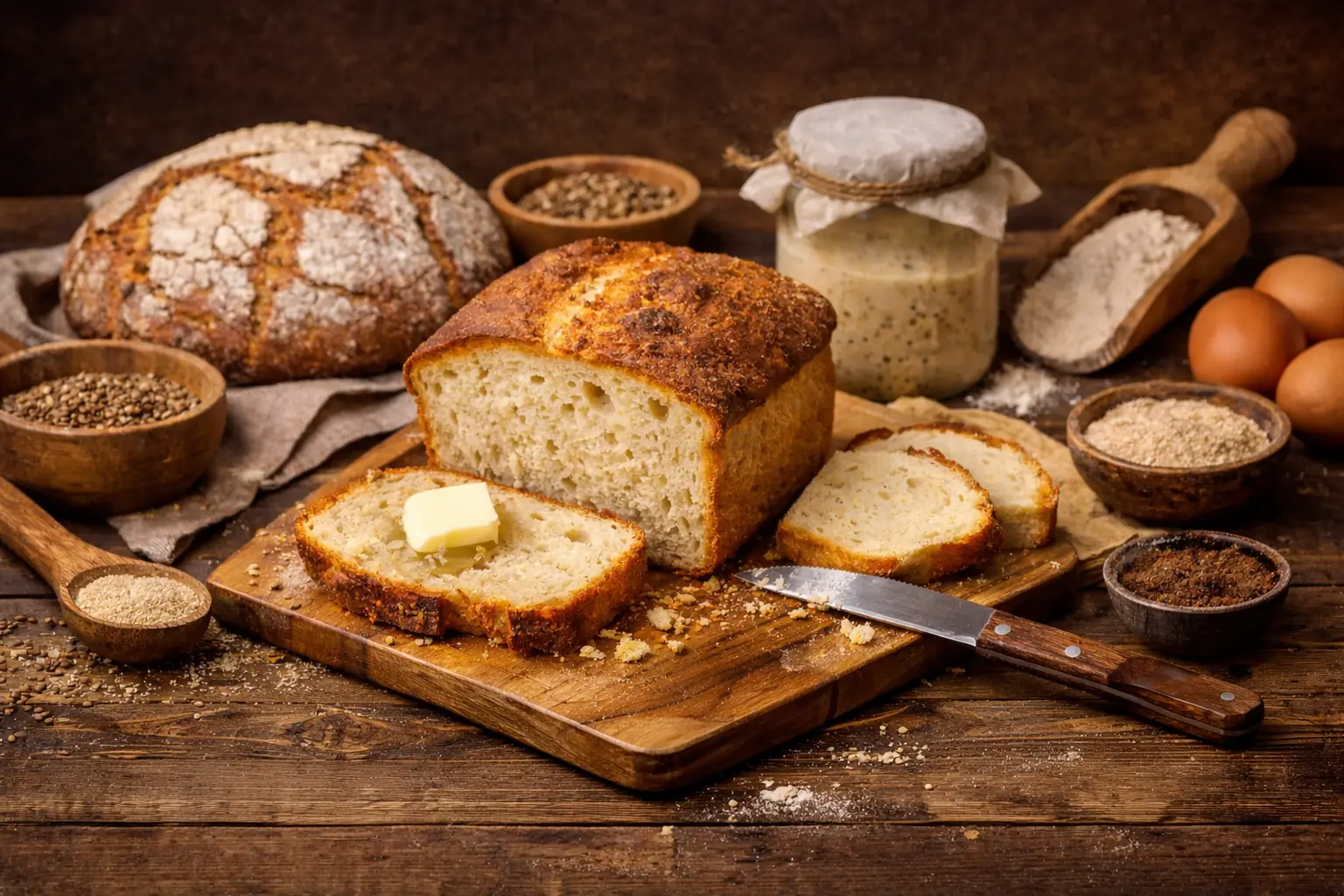
There’s something deeply comforting about fresh bread: the smell, the warmth, the texture. But if you’ve ever tried going gluten-free, you already know: finding the best gluten-free bread that actually tastes delicious can feel like a mission.
While compiling all that I know about gluten-free bread, one cannot help but remember all the times I tried and I failed. And that is why this guide gives you the best gluten free bread recipe. I tested a bunch of different gluten free bread recipe, even asked my baker friends to reveal their secrets, did my own trial and error, and voila, one day all that hard work paid off.
I stumbled upon gluten free bread once I realised that gluten was worsening my IBS. Now, whether you’re baking for health reasons, dietary needs, or just curiosity, this guide will walk you through everything: what gluten-free means, the different kinds of breads you can make, detailed recipes including the very famous sourdough, and even the best gluten-free bread brands you can buy in the U.S.
After I struggled to find a gluten free bread recipe, I tried my hand at it, a few gluten-free sourdough bread recipes, and after successfully recreating it a few times and will take this opportunity to call myself a gluten-free bread connoisseur.
Now let’s get into the best gluten free bread recipe. It can get a little complicated, but stay with it. Please focus on one bread recipe at a time. Be prepared to fail, make sure to stick to the measurements, and know exactly what you did to achieve a certain recipe. This way, if anything goes wrong, it gets easier to make a few changes, so you don’t have to guess it.
What Does Gluten Free Mean?
Gluten is a protein compound found in wheat, barley, and rye. What gluten does is give the bread a stretchy, chewy texture. When we say gluten free bread, we’re talking about bread made without these grains or their derivatives.
Now, is gluten a bad thing? Not necessarily; if it suits you its great, but people with celiac disease, gluten sensitivity, or allergies cannot consume it. Many people choose a gluten-free diet without having any medical conditions because gluten-free bread feels lighter, is easier to digest, and is often made with more nutrient-diverse flours.
So, what’s the trouble with gluten? Well, the challenge is that without gluten, your bread will not rise; it will feel super dense. Without gluten, bread loses its natural structure. That’s why gluten-free baking relies on a combination of alternate gluten-free bread flour and binders like xanthan gum or psyllium husk.
We will get into the best gluten-free bread recipe, but first, let’s get the basics right.
What is Gluten Free Bread?
Gluten-Free Bread is simply the same bread you eat, but instead of wheat flour, it may contain one of these: rice flour, almond flour, sorghum, or tapioca.
The interesting bit is that it’s not just one type of bread. Gluten-free bread can also be:
- Soft sandwich loaves
- Dense artisan-style breads
- Flatbreads
- Sourdough-style loaves
- Quick breads like banana or cornbread
Each type has its own texture, taste, and baking method. And that is where gluten-free bread flour comes in.
1. Gluten Free Bread Flour
One of the biggest game-changers in gluten-free baking is the flour blend. Unlike regular wheat flour, you usually can’t rely on just one type. Here, you have to prepare your own flour, yes, not by literally grinding it but by combining base flours with starches and binders.
Since we need the stretchy, chewy effect of gluten, when creating a gluten free bread recipe, we have to add some alternatives. For scratches, you can go with tapioca starch or potato starch. For binders, Xanthan gum or psyllium husk. Don’t worry, you will find all these ingredients in stores near you.
Instead of creating your own Gluten Free Bread Flour, just get one that is pre-packed, which is what I did a couple of times. This way, you dont need to guess and can get straight into backing without making it into a science experiment.
Once we have our Gluten-Free Bread Flour sorted, we can now get into the main thing here, which is the gluten free bread recipe—
2. Gluten-Free Bread Recipe
Follow this step-by-step Gluten Free Bread Recipe guide, which is super beginner-friendly and approved by me.
- Step 1 – Take 360 ml of warm water
- Step 2 – Add 1/2 teaspoon of dry yeast (Instant yeast will also work)
- Step 3 – Tablespoon psyllium husk powder (only if your gluten-free flour doesn’t already have it, check the label)
- Step 4 – 1 tablespoon of sugar/ honey/ maple syrup (If you have IBS like me)
- Step 5 – 3 tablespoons of olive oil
- Step 6 – Followed by 2 teaspoons of salt
- Step 7 – 2 1/2 cups all-purpose gluten-free flour mix (Add slowly)
- Step 8 – Mix Mix Mix
- Step 9 – Add 2 egg white
- Step 10 – Mix until it forms a dough, but if it is way too sticky, then add a little flour.
- Step 11 – Transfer the dough into a greased loaf pan
- Step 12 – Keep the dough aside for 30 – 45 minutes, cover it with a cloth
- Step 13 – Bake at 385°F for 35–40 minutes.
- Step 14 – Once baked, let it cool down in the pan itself.
- Step 15 – Slice and Enjoy
The first time I made this, I was surprised, as it looked more like cake batter, a little firmer than that, but not as much as a traditional dough. But once baked, it had a soft interior and a slightly crisp crust.
There is no one universal gluten-free bread recipe that works for everything; there are various types of breads, such as Sandwich bread, quick bread, artisan-style bread, and gluten-free sourdough bread.
What is Sourdough?
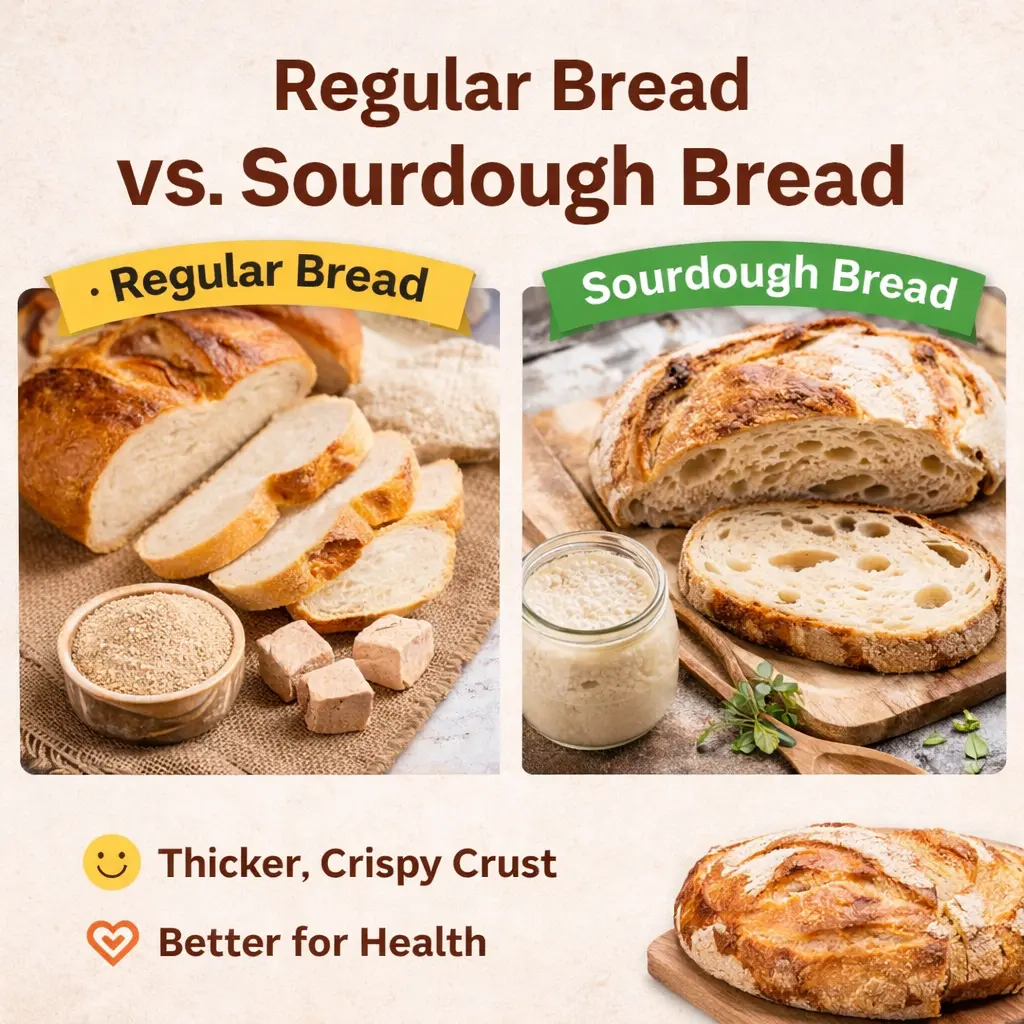
Well, this super popular bread is the one with a super crispy and slightly thicker crust than usual breads. It also has a unique, rounded shape, making it super creative and also good for health. Now the main difference between a regular bread and a sourdough bread is that a regular bread uses yeast, whereas sourdough bread is made with a fermented starter.
What does Sourdough taste like?
Slightly tangy, complex, and richer than regular bread. It feels more “artisan” and less processed.
What are the benefits of eating sourdough bread?
- Easier to digest
- Lower glycemic impact
- Richer flavor
- Good for your gut
Is it difficult to make Sourdogh?
Honestly, yes, but also no, I would say, it requires patience more than skill. You can’t just get into a sourdough recipe; it is greatly affected by the environment around it.
Gluten-free sourdough bread recipe
Talking about gluten-free sourdough bread, I have to tell you my gluten-free sourdough bread recipe, which is getting pretty viral.
Ingredients you would need for a gluten free sourdough bread recipe:
- 2 cups gluten-free flour blend
- 1/2 cup active gluten-free starter
- 1 1/2 cups water
- 1 tsp salt
Follow these Steps to get started with a gluten free sourdough bread recipe-
- Step 1 – Mix all ingredients into a sticky dough.
- Step 2 – Let it rest for 4–6 hours.
- Step 3 – Shape gently and place in a lined bowl.
- Step 1 – Let it ferment overnight.
- Step 4 – Bake at 450°F for 45 minutes.
While you get into baking your sourdough breads, keep these things in Mind. Temperature plays a very important role in the fermentation process, and for this purpose, warm kitchens work best. If your kitchen is not warm, cover your dough in towels. And as you begin combining more flour into your starter, make sure your starter is active. Check for bubbles.
Pro tip: Don’t rush fermentation; it affects flavor
Some Recipes for Different Gluten-Free Breads
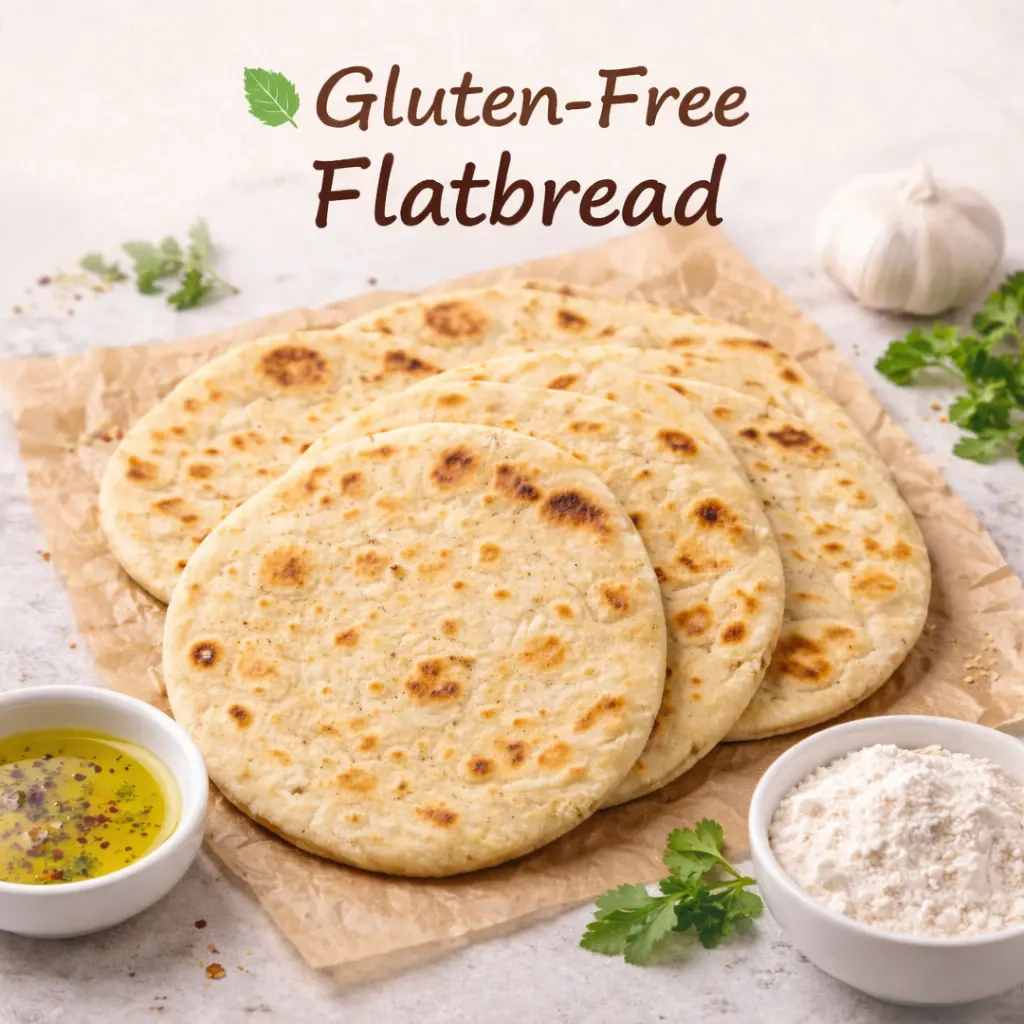
1. Gluten-Free Flatbread
Mix flour, yogurt, salt, and water. Roll and cook in a skillet.
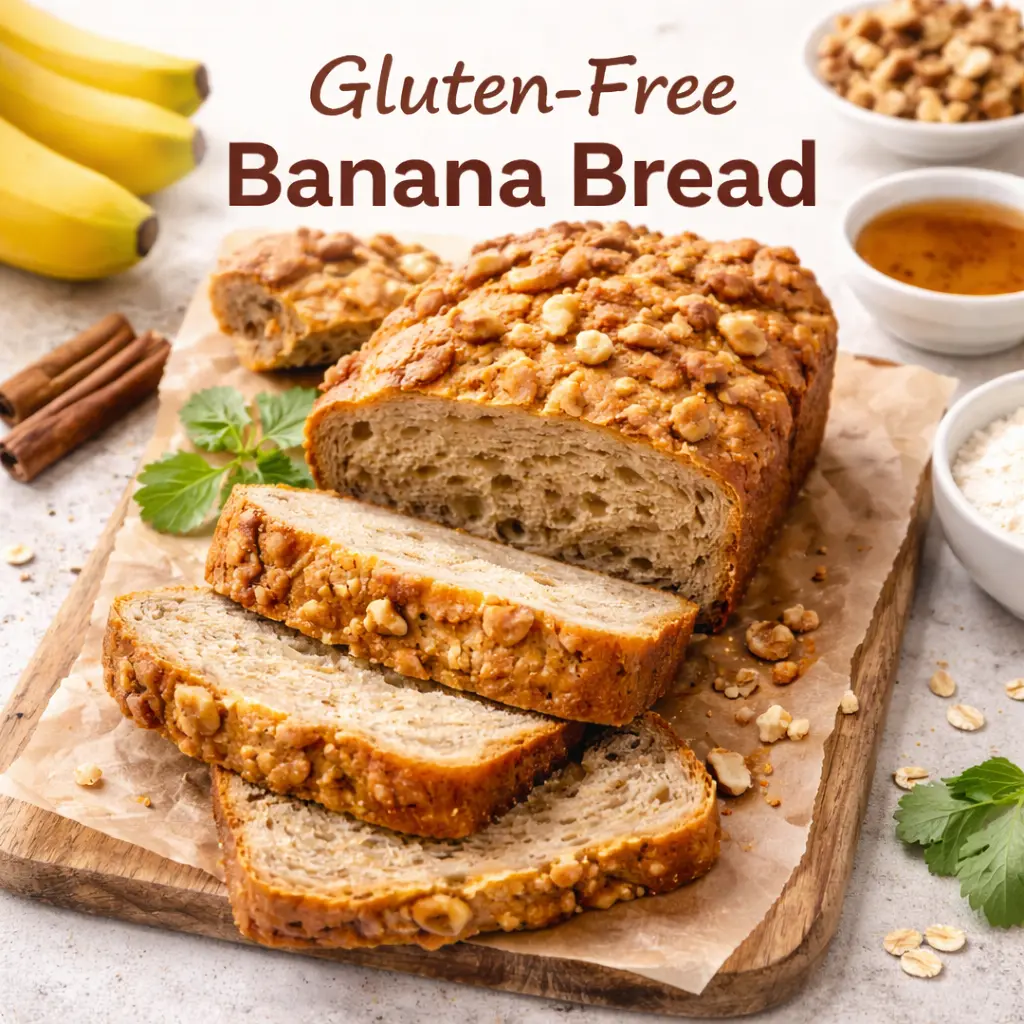
2. Gluten-Free Banana Bread
Use almond flour, mashed bananas, eggs, and baking soda. Bake until golden.
3. Gluten-Free Artisan Bread
Use a high-hydration dough and bake in a Dutch oven for a crusty finish.
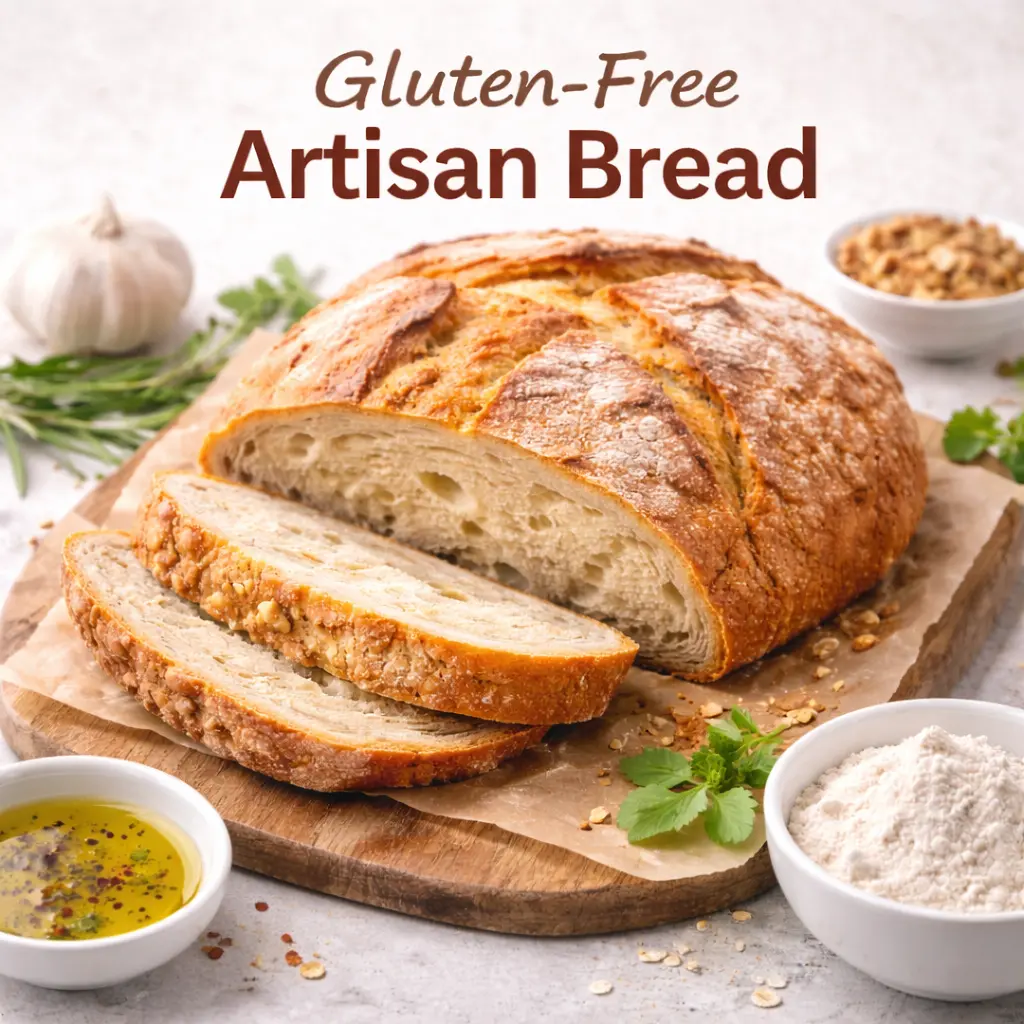
Each of these offers a different experience, from quick comfort to slow-crafted baking.
What are the Benefits of gluten-free bread?
- Easier digestion for sensitive individuals
- Reduced bloating
- Variety of nutrient-rich flours
- Often lower in processed additives
Always make sure to get good-quality gluten-free bread from trusted Gluten Free Bread Brands. Make sure to always read the label so you know what you are actually buying.
Gluten-Free Bread Brands
This is my personally curated list of gluten free bread brands. You will get various options from the Affordable to the Premium ones. If baking isn’t your thing, there are excellent store options across the U.S.
Affordable Options
- Canyon Bakehouse, which is available at Walmart and Target
- Schär, widely available and super budget-friendly
- Another easy-to-find option is Udi’s Gluten Free
Premium and Specialty
- Simple Kneads
- Bread SRSLY, which is an artisanal sourdough
- Base Culture
- Mikey’s, which you can find in places like Erewhon
What I like about these Gluten Free Bread Brands is that you’ll find them easily at stores like Target, Walmart, Costco, and Whole Foods.
Wrapping up
It can be a lot to process, but like I said earlier, take it slow and master one thing at a time. Yes, it takes a little patience to master. Yes, the textures are different. But once you find the right recipe or brand, it’s incredibly rewarding.
Also, if you have never had gluten free bread or sourdough bread, then it would be great to go with a store-bought one first, just to see if you like the taste and how it reacts with your body.
Frequently Asked Questions (FAQs)
1. How to make gluten-free bread?
Add instant yeast to warm water with gluten-free flour blend, along with sugar, salt, and olive oil.
2. What breads are gluten-free?
Breads made from rice flour, almond flour, or other gluten-free grains.