
Disclaimer: This article is for informational purposes and does not substitute professional medical advice. Always consult with a healthcare provider for diagnosis and treatment.
Have you ever experienced times when it seems like your body speaks a different language that you just can’t understand? Sometimes there may be days where your body has fatigue that does not seem to be due to any work-related issues, or maybe you have a stress out that resembles high school, like a classic adolescent breakout. Often times, these symptoms are considered to be due to being “stressed”; however, many times those symptoms are due to a hormone imbalance within women. The body’s hormones will affect how well both your physical body and your mind will be working at that current time.
Understanding the Symphony: What is a Hormonal Imbalance?
To truly understand all the signs associated with whether or not there is a hormonal imbalance, it is also important to understand what is happening with respect to the “insides.” Hormones are produced by your endocrine glands (like your adrenals, pancreas, thyroid, ovaries, etc.) and travel throughout the bloodstream in order to communicate with different organs, which dictate what the organs should do.
A hormone imbalance is when too much of one type of hormone exists in the body or too little of one type of hormone exists within it. Even a slight amount of being off from what is considered to be the normal amount of a hormone can have devastating impacts on the entirety of our bodies. Imagine a recipe: if too much salt is added into a recipe, then the recipe will never turn out correctly. When considering hormonal imbalances associated with women, the most common hormones associated with a hormonal imbalance are usually with respect to estrogen, progesterone, cortisol, and insulin.
What Causes Hormonal Imbalance in the First Place?
It is uncommon to attribute any one reason to this. Some common examples include:
- Stages of Life: Puberty, Pregnancy, Post-Partum, perimenopause.
- Medical Reasons: PCOS, hypothyroidism, hyperthyroidism, primary ovarian insufficiency.
- Lifestyle Choices: All linked to stress (chronic), diet (poor), and sleeping habits (insufficient).
- Environmental Influences: Hormone disruptors within some plastic products or pesticides.
What Causes Hormonal Imbalance in Women?
Different lifestyle, medical, and environmental factors can disrupt hormone production.
| Cause | How It Affects Hormones |
| Chronic stress | Raises cortisol levels and affects estrogen and progesterone |
| PCOS | Causes excess androgen hormones |
| Thyroid disorders | Slows or speeds up metabolism |
| Poor diet | Impacts insulin and reproductive hormones |
| Lack of sleep | Disrupts cortisol and melatonin balance |
| Menopause | Lowers estrogen and progesterone |
| Diabetes or insulin resistance | Alters blood sugar regulation |
| Certain medications | Can interfere with hormone production |
| Pregnancy | Causes major hormonal fluctuations |
10 Common Signs of a Hormonal Imbalance in Women
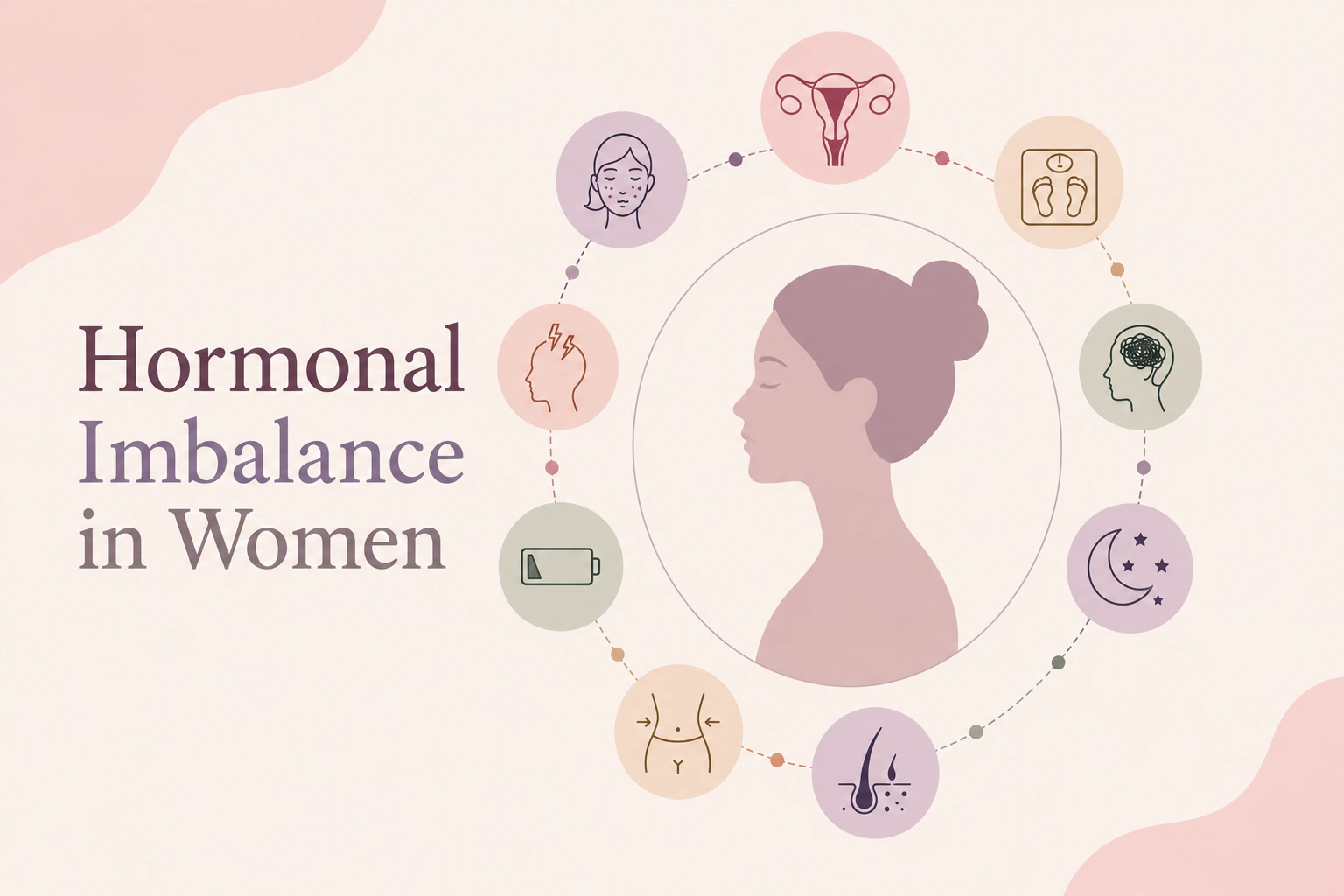
How do you determine a ‘bad’ day from a systemic issue? Here are the ten most common signs of hormonal imbalance in women that may require further investigation.
1. Irregular or Painful Periods
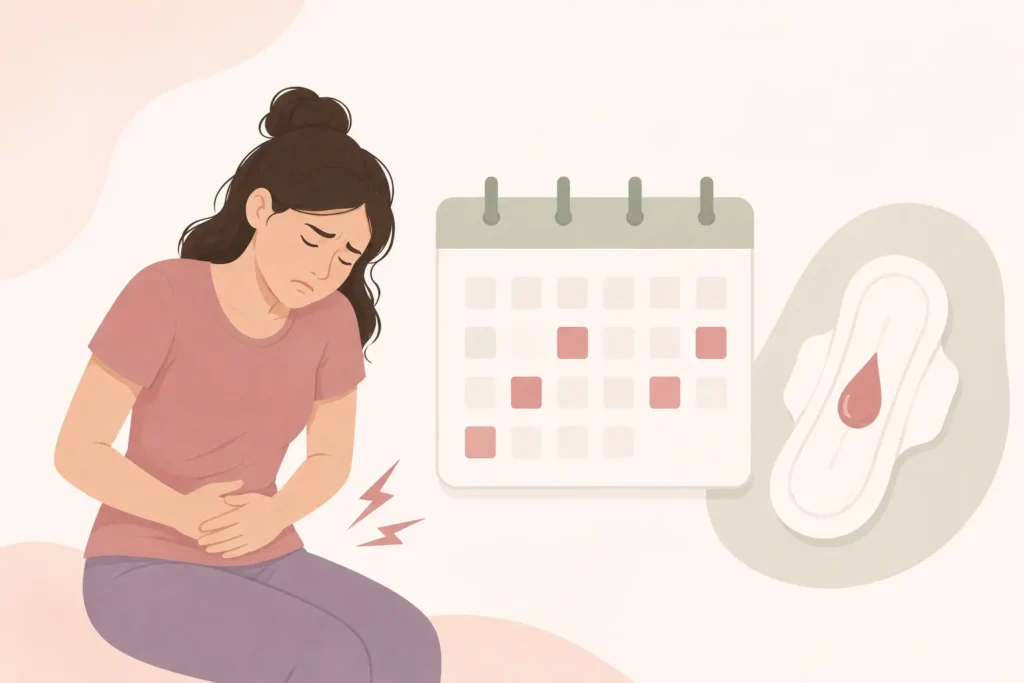
Are your cycles unpredictable, or have they stopped? The definition of normal is subjective; therefore, consistent irregular cycles are a huge warning sign. Furthermore, consistent irregularity typically indicates an imbalance of estrogen/progesterone. This can include periods of excessive flow or crippling cramping. PCOS and uterine fibroids are potential underlying issues causing this type of menstruation.
2. Constant Adult Acne and Skin Issues
At what point do breakouts stop occurring, especially if they are occurring while you’re in your thirties? Breakouts (especially on the jawline) that continue into your thirties usually indicate elevated androgens (male hormones such as testosterone). Elevated androgens create high oil production, therefore causing stubborn cystic acne, which cannot be treated with topical creams.
3. Unexplained Weight Gain (The “Hormonal Belly”)
Many women will find that despite eating well and exercising regularly, their weight continues to rise on the scale. Insulin and cortisol are two key hormones that can have a tremendous effect on your metabolism. High cortisol levels, otherwise known as the stress hormone, will cause the body to store fat, especially in the belly area. Similarly, insulin resistance can make it very difficult to lose weight when you’re taking in fewer calories than you’re burning.
4. Extreme Fatigue and Brain Fog
Do you ever wake up in the morning and feel so tired, even after a full eight hours of sleep? Progesterone is known as the “relaxation hormone.” When you have excessively high levels of progesterone, though, you can feel excessive sleepiness. Conversely, if you have an underactive thyroid or an imbalance in your thyroid hormones, you may feel like you have low energy at all, feel weak or fatigued physically, and feel like you can’t think clearly, making it difficult to complete everyday tasks.
5. Thinning Hair or Excessive Hair Growth
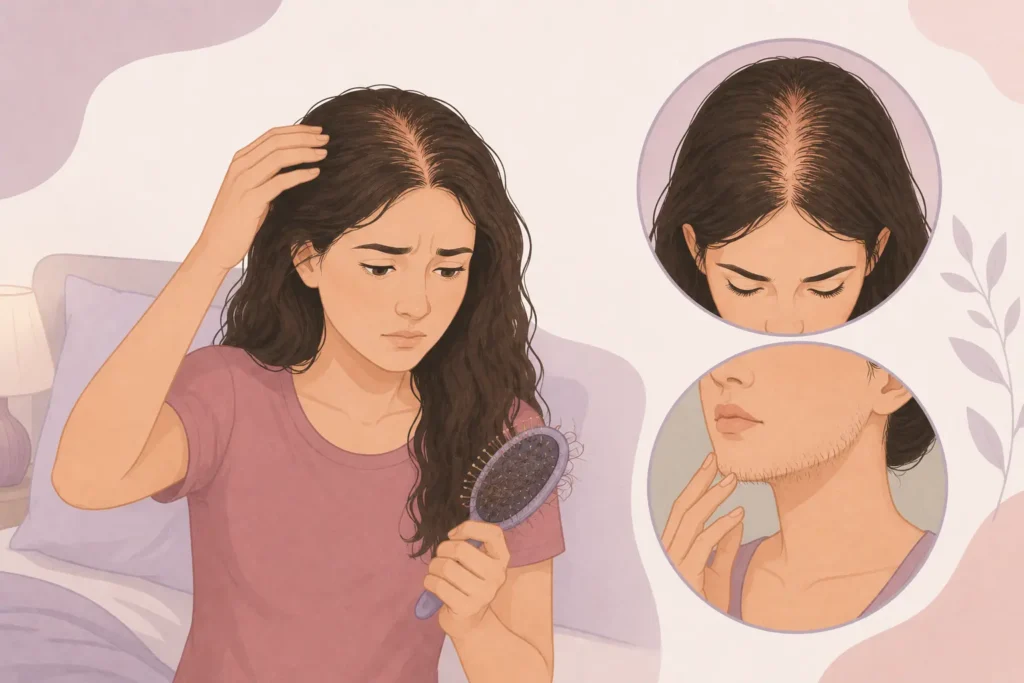
Are you finding that you are losing hair from the top of your head or gaining hair from places other than your head, such as your chin or your chest? In women, the thinning of hair on the crown of their heads is often associated with problems with their thyroids. Excessive hair growth (hirsutism) in women is a very common sign of hormonal imbalances related to testosterone and is seen frequently in women with polycystic ovary syndrome (PCOS).
6. Hot Flashes and Night Sweats
Night sweats and hot flashes are typically associated with menopause; however, many younger women also experience them due to primary ovarian insufficiency or a predominance of estrogen. Kicking off your covers at night may mean your endocrine system’s internal thermostat is out of whack.
7. Anxiety, Mood Swings and Irritability
Ever feel like you are on an emotional rollercoaster? This can be attributed to the impact of estrogen on brain neurotransmitters, which include serotonin, the chemical that makes you feel good. The rapid drop of estrogen will often leave you irritable, anxious and depressed—feelings that will appear to have nothing to do with your current life situation.
8. Bloating and Digestive Problems
Did you know that the lining of your gut has receptors for both estrogen and progesterone? A fluctuation in these hormones can change the speed with which food travels through your digestive system and the ease with which it passes out of your body. This is why many women will notice a shift in their digestive systems right before their periods.
9. Sleep Problems and Insomnia
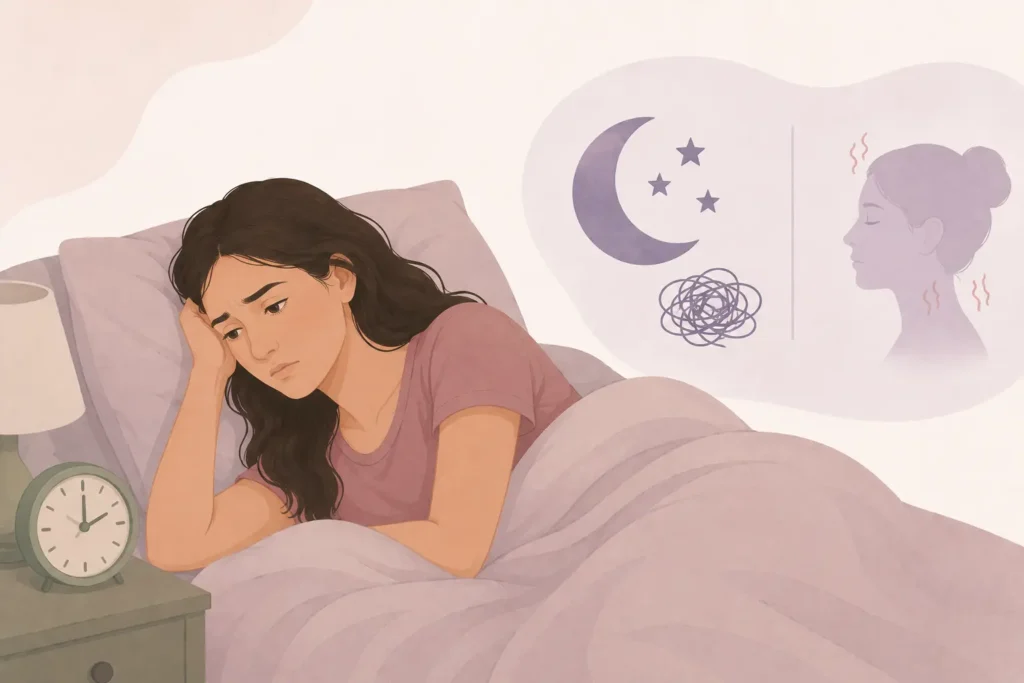
Do you become tired very easily but find it difficult to go to sleep or stay asleep? Approximately 1,500 of the estimated 3,000 women who experience sleep problems have low levels of progesterone, which will inhibit the body’s ability to fall asleep. Additionally, low levels of estrogen will cause you to experience night sweats, which disrupts your body’s REM cycle and will lead to how tired you are in the morning.
10. Low Libido and Vaginal Dryness
An abrupt decline in sexual drive is more than just “stress.” It frequently results from low levels of estrogen or testosterone hormones. In addition to influencing sex drive, estrogen is responsible for maintaining lubrication and elasticity in the vagina. Without adequate levels of estrogen, sexual intercourse may be painful or uncomfortable.
Comparative View: Hormonal Symptoms vs. Potential Causes
| Symptom | Likely Hormone Involved | Possible Condition |
| Weight gain/Fatigue | Thyroid (T3, T4) | Hypothyroidism |
| Acne/Excess Hair | Androgens (Testosterone) | PCOS |
| Night Sweats/Irregularity | Estrogen/Progesterone | Perimenopause |
| Sugar Cravings/Belly Fat | Insulin/Cortisol | Insulin Resistance |
The Path to Balance: How to Treat Hormonal Imbalance in Women
If you identify with the previous signs – what then is the next step? Balancing hormones is not a quick-fix pill; rather, balancing hormones requires a holistic lifestyle change as well as consultation with a physician.
Medical Interventions
A physician consultation is a requirement before taking any medication for hormone balance. Your doctor may suggest:
- Hormone Replacement Therapy (HRT): To replace lost levels of progesterone or estrogen.
- Birth Control Pill: Typically used to control/normalize your menstrual cycle as well as to prevent pregnancy and clear acne.
- Thyroid Medication: To balance levels of T4 and T3 hormones that impact metabolism.
- Metformin: Sometimes used for insulin resistance.
The Role of Nutrition: What to Eat
Your body makes all of the hormones that you need from the food you eat. Consider these to build the hormones that are missing:
- Cruciferous vegetables, such as broccoli or cauliflower, support the liver to detoxify “spent” estrogens from the body.
- Healthy fats, such as those found in avocados, salmon, and walnuts, provide cholesterol for producing hormones.
- High Fiber consumes excess hormones and therefore helps eliminate them through the intestines.
Vitamins and Herbs for Hormonal Imbalance in Women
Are vitamin supplements beneficial for women with a hormonal imbalance? Yes, if both are used properly!
- Hormonal Imbalance and Vitamins: The vitamin D3 in your supplements acts like a “hormone” for many women. Getting enough vitamin D3 is essential for improving mood and developing the immune system. If you’re not getting enough sleep, magnesium supports the body in dealing with cortisol and helps improve the quality of your sleep.
- Hormonal Imbalance and Herbs: Ashwagandha is an adaptogenic herb that helps the body adapt to stress (i.e., cortisol). Chasteberry (Vitex berry) is a common herb taken by women for balancing their progesterone/estrogen levels.
Final Thoughts: Listen to Your Body
The human body is an intuitive system. These signs and symptoms (e.g., stubborn acne, extreme fatigue) are not “normal” indicators of a woman; they are signs. By recognizing and identifying the signs of a hormonal imbalance early on and incorporating the proper combination of both medical and lifestyle intervention, you can go from simply “getting through the day” to “thriving” in your own skin.
Frequently Asked Questions (FAQs)
Q. How to fix hormonal imbalance in women?
Ans. Hormonal imbalances in women are usually caused by a variety of factors, which means there’s no single “cure.” Once the cause has been identified, possible treatments will include healthy eating, managing stress effectively, exercising regularly, getting enough restful sleep, taking medications, or undergoing hormone replacement therapy.
Q. How to fix hormonal imbalance in pregnant women?
Ans. The hormones of a woman during pregnancy constantly fluctuate; this is normal. However, if symptoms (e.g., mood changes, weight gain/loss) are severe, a health care practitioner should evaluate and treat them appropriately. Management options will include controlling symptoms in a safe way, providing proper nutrition, monitoring for hypothyroidism, and ensuring that the pregnant woman is healthy and has no underlying medical conditions that could interfere with her hormones.
Q. What to eat for hormonal imbalance in women?
Ans. A hormone balance-friendly diet consists of whole foods high in fiber, good fats, lean proteins, vegetables, fruits, and omega-3 fatty acids. In addition, limiting foods that are highly processed and/or high in sugar can help regulate hormones.
Q. What herbs treat hormonal imbalance in women?
Ans. Ashwagandha, Maca Root, Black Cohosh, and Vitex are four herbs commonly used for women to help promote hormone balance. When using herbal medications, it is always best to have them prescribed or supervised by an experienced healthcare specialist.
Q. Does stress cause hormonal imbalance?
Ans. Yes! Chronic stress causes an increase in cortisol levels, which prevents the body from functioning properly—reproductive hormones do not work as they should, sleep is disturbed, metabolism slows down, and insulin levels become unregulated. Long-term Stress is one of the leading causes of hormonal imbalances in women.

1 comment
[…] the type who likes staying ahead of your body’s signals more broadly, our guide to common signs of hormonal imbalance is worth a read […]