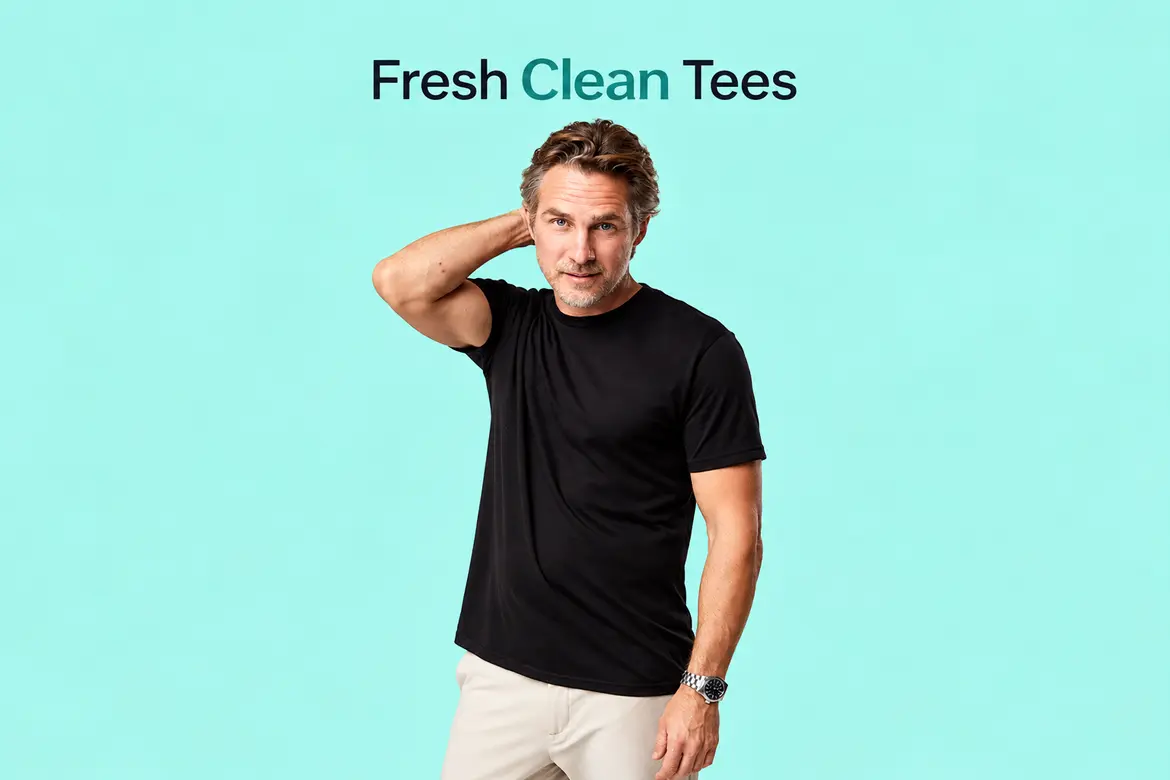
Open any man’s dresser and you’ll find a stack of t-shirts that all look roughly the same until you actually wear them. One sits perfectly under a structured blazer. One bunches at the collar by noon. One you’ve kept for six years because it just works, and you couldn’t tell a friend why.
The difference almost always comes down to type. Neckline, sleeve, cut, and fabric weight change how a shirt reads on your body and where it belongs in your week. A crew neck and a boxy tee are technically the same garment, and they’ll make you look like two different people. Once you can name what you’re looking at, shopping stops being guesswork and starts being a set of small, confident decisions.
This guide walks through ten t-shirt styles worth knowing, who each one suits, how to style them, and how to keep them looking new. Brands like Fresh Clean Tees have built a loyal following partly by taking these distinctions seriously, so we’ll point to real examples as we go. By the end, you should be able to look at any tee, know its name, and know whether it belongs in your rotation.
Why Knowing Your T-Shirt Types Actually Matters
A t-shirt is the piece you reach for most and think about least. That’s exactly why the details count. The best t-shirt styles for men aren’t about logos or trends. They’re about fit through the shoulders, how the hem falls, whether the collar holds its shape after twenty washes, and how the fabric behaves at the end of a long day.
Get the type right, and a $25 tee can outperform something four times the price. Get it wrong, and even good fabric looks sloppy. A great shirt disappears in the best way. You put it on, you forget about it, and you feel put together without any effort. That’s the whole goal.
There’s also a money argument. Most men buy the same handful of shirts on repeat without ever asking why the last batch failed. The collar stretched, the body was too short, and the fabric went see-through. Naming the problem is the first step to never repeating it. So before we get to necklines and sleeves, keep one question in mind the whole way through: what are you actually wearing this shirt to do?
The 10 T-Shirt Types Worth Knowing
1. Crew Neck
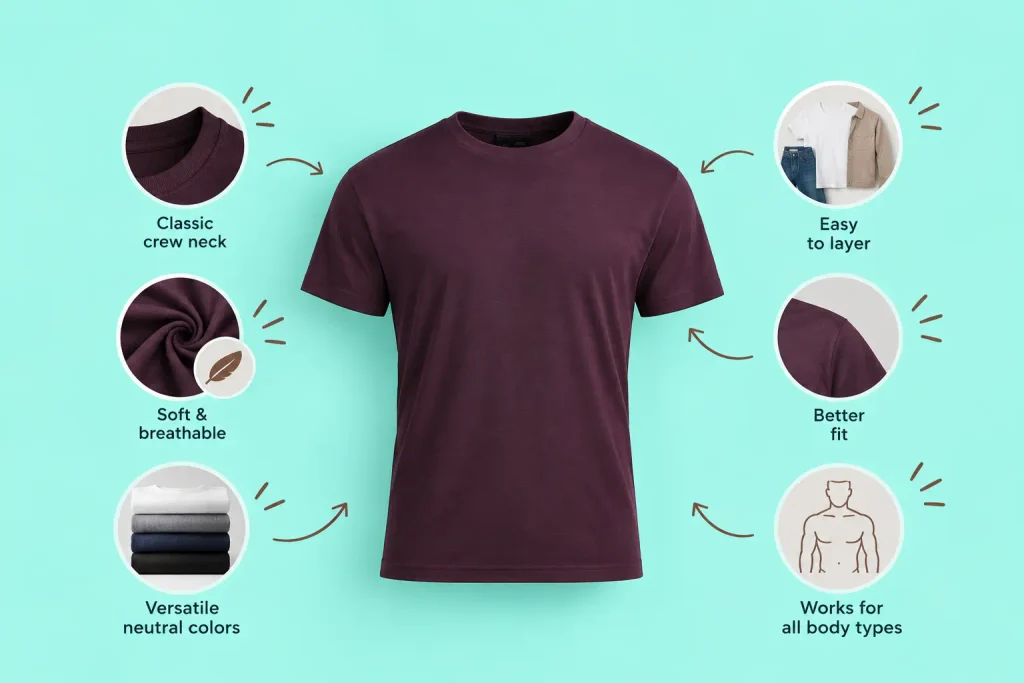
The crew neck is the shirt most people picture when they hear “t-shirt.” A round, ribbed collar sits close to the base of the neck. It’s clean, symmetrical, and works with almost everything you own.
Wear it on its own with wide-leg jeans, layer it under a flannel, or throw a jacket over it for an easy smart-casual look. The crew is the backbone of a basics rotation, and it’s the style most tee-focused brands, Fresh Clean Tees included, treat as their flagship. That focus shows up in the small stuff: a collar with enough rib to bounce back into shape, a hem that hits at the right spot, and a shoulder seam that lands where your shoulder actually ends.
If you buy one type in bulk, make it the crew. Stick to neutral colors first, black, white, gray, and navy, because they go with everything and never look like you tried too hard.
Best for: everyday wear, layering, and virtually all body types.
2. V-Neck
The V-neck swaps the round collar for a pointed dip at the chest. That small change does real work. It draws the eye downward, lengthens the neck, opens up the frame, and reads slightly dressier when the V is shallow.
The catch is depth. A modest V flatters most guys and looks intentional. A plunging one starts to feel like a costume and invites the wrong kind of attention. As a rule, the point of the V should sit no lower than a couple of finger-widths below your collarbone.
The V-neck earns its keep for two groups in particular. If your face is round, the vertical line slims it. If your neck is short, the open collar buys you visual length a crew can’t. It’s also the better base layer under an unbuttoned shirt, since no collar peeks out awkwardly at the top.
Best for: shorter necks, rounder faces, and layering under open shirts.
3. Henley
Think of a Henley as a crew neck that grew a placket, that short row of two or three buttons at the collar. It adds texture and a touch of ruggedness without asking much of you or your styling skills.
Leave the buttons undone for a relaxed look, or fasten them for something tidier. That small adjustability is Henley’s secret. One shirt covers two moods. It sits comfortably between a t-shirt and a casual button-up, which makes it the answer when jeans and a plain tee feel too plain but you don’t want to overthink it.
Henleys shine in long-sleeve form once the weather turns. Worn under an open flannel or a chore jacket, a long-sleeve henley is one of the most reliable cool-weather looks a man can own.
Best for: adding interest to a simple outfit, cooler weather in long-sleeve form.
4. Polo
Purists argue a polo isn’t a t-shirt at all. Fair. But it lives in the same drawer and solves the same problem, so it earns a spot here. A ribbed collar, a short button placket, and a slightly more structured fabric push the polo toward smart-casual territory that a regular tee can’t reach.
It’s the shirt that gets you into a golf club, a nicer dinner, or an office with a loose dress code. A well-cut polo, like the cotton-poly versions Fresh Clean Tees carries, dresses up a pair of chinos in seconds and still feels like a t-shirt to wear.
Fit is where polos go wrong most often. The sleeve should end around mid-bicep and sit reasonably close to the arm, not flare out like a tent. The collar should stand on its own without curling. Get those two things right and a polo becomes the most useful shirt you own for the days a plain tee won’t cut it.
Best for: smart-casual settings, offices with a relaxed dress code, and dressed-up weekends.
5. Scoop Neck
The scoop neck drops the collar into a wide, shallow curve rather than a round or pointed line. It’s more common in women’s wear, but it has a real place in men’s fashion for a relaxed, layered aesthetic.
The wider opening balances broad shoulders and adds a laid-back, slightly fashion-forward feel. It reads as a deliberate choice rather than a default, which is exactly why it works for people who already know how they like to dress. If you’re still building a first set of reliable basics, this isn’t where to start. If you’ve got the fundamentals covered and want a shirt with a point of view, the scoop delivers.
Best for: relaxed layering, balancing a broad upper body, and style-confident wardrobes.
6. Pocket Tee
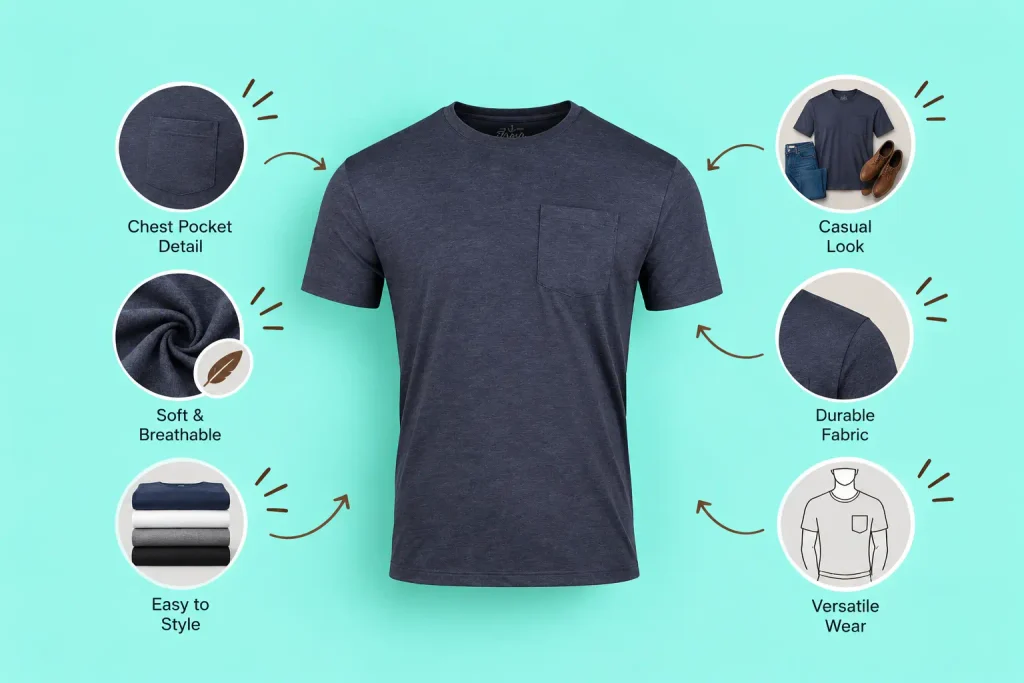
A pocket tee is a crew or V-neck with a small patch pocket on the left chest. The pocket rarely holds anything useful. Its job is visual, breaking up a plain front and adding a hint of workwear character to an otherwise blank shirt.
That tiny detail changes the whole read of the shirt. A plain tee is a blank canvas. A pocket tee looks considered, like you chose it rather than grabbed it. Pair it with rolled jeans and boots and you’ve got an easy, slightly rugged look that took zero real effort.
The pocket also carries practical style points in heavier fabrics. On a mid-weight or heavyweight tee, a well-sewn pocket sits flat and clean instead of sagging, which is one more reason fabric weight matters as much as the cut.
Best for: adding low-key detail and casual and workwear-leaning outfits.
7. Raglan (Baseball Tee)
The raglan gets its name from a sleeve that runs in one diagonal piece from the collar to the underarm, with no seam at the shoulder. You’ll often see it as a “baseball tee,” with contrast-colored sleeves set against a lighter body.
That seam construction isn’t just a look. It gives your shoulders more room to move, which is why the style started life as sportswear. If you have an athletic build and standard tees pull tight across the shoulders, a raglan often fits better and feels less restrictive.
Style-wise, the raglan reads younger and more active than a standard crew. The contrast sleeves add energy to an outfit without any effort on your part. It’s a casual, sporty choice, best kept for weekends, workouts, and relaxed days rather than anything that needs to look polished.
Best for: athletic builds, sporty and casual looks, and easy movement.
8. Ringer Tee
A ringer tee is a crew neck with contrasting bands of color at the collar and the sleeve cuffs. It’s a retro style with roots in the 1960s and 70s, and it cycles back into fashion every few years like clockwork.
The color pop draws the eye to your face and arms, which flatters a trim, athletic frame. If you like a vintage edge to your wardrobe, a ringer is the easiest way in without committing to a full throwback outfit. One ringer tee with plain jeans is enough to nod to the era without looking like a costume.
Keep the rest of the outfit simple when you wear one. The shirt is already doing the talking, so busy patterns or loud accessories fight it. Let the contrast bands be the only pop of color, and the look lands every time.
Best for: slim and trim builds, retro-leaning style, and adding a bit of color.
9. Longline Tee
A longline tee extends past the standard hem, sometimes with a curved or scooped bottom. It became a streetwear staple because of how it layers, peeking out below a jacket, hoodie, or overshirt to add depth to an outfit.
Length is the whole point here, so fit matters more than usual. Too long and it swamps you and reads like the wrong size. Cut right, it adds a modern, elongated line that makes a plain outfit look intentional. This is a trend-forward pick rather than a timeless basic, so buy it because you like the current look, not because you expect to wear it for a decade.
Taller men get the most from longline tees, since the extra length reads as proportional rather than exaggerated. Shorter frames can pull it off too, but the cut has to be right or the shirt starts to look like a dress.
Best for: streetwear, layering, taller frames.
10. Boxy (Relaxed) Tee
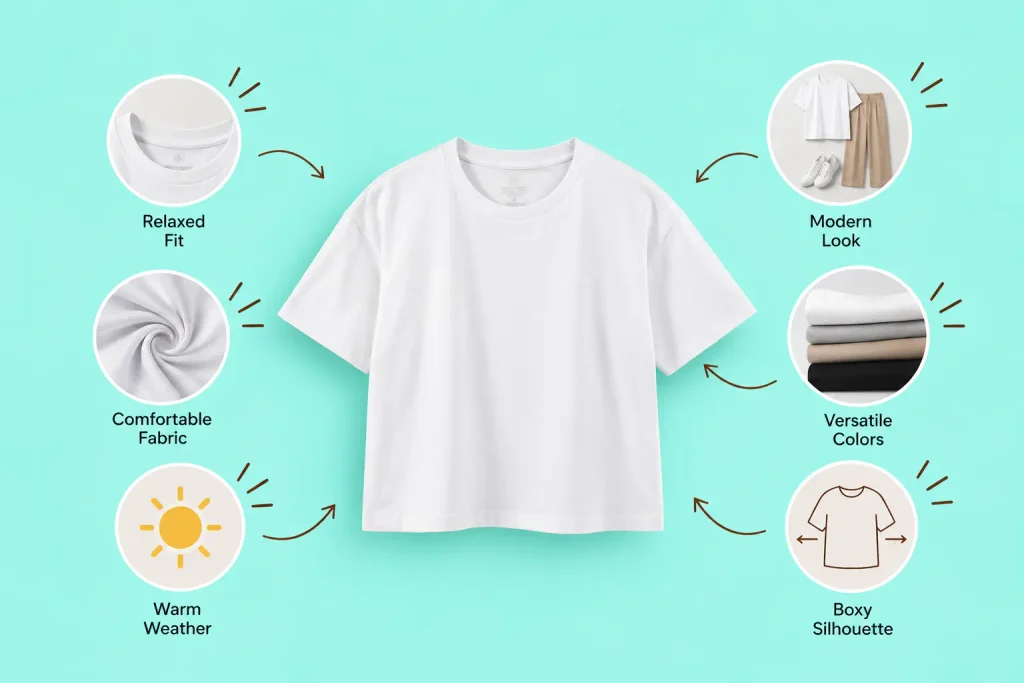
The boxy tee runs wider through the body and shorter in length, with a drapey, less-fitted shape. It’s a deliberate move away from the slim, sprayed-on tees that dominated the 2010s, and it’s had a genuine moment over the last few seasons.
Worn with wide-leg trousers, pleated pants, or over shorts, it reads current and comfortable. Worn with skinny jeans, it fights your outfit, and the proportions collapse. The boxy tee is an all-or-nothing commitment to a fuller silhouette. Lean into it head to toe, and it looks sharp. Mix it with slim everything, and it looks like a mistake.
Fabric makes or breaks this one. A boxy tee needs enough weight to drape cleanly, or it just looks baggy. This is a style where spending a little more on a heavier fabric pays off visibly.
Best for: relaxed and contemporary looks, warmer weather, and fashion-forward wardrobes.
Types of T-Shirt Sleeves, Explained
Necklines get most of the attention, but sleeves quietly shape how a shirt sits and how your arms look in it. Here are the main types of t-shirt sleeves worth recognizing:
- Set-in sleeves. The classic construction, with a seam that sits right at your shoulder. Structured, clean, and the default on most crews and V-necks.
- Raglan sleeves. The diagonal seam covered above. More range of motion, a sportier feel, and a better fit for broad shoulders.
- Cap sleeves. Very short, ending high on the arm. More common in women’s tees but occasionally seen in fashion-led men’s pieces.
- Rolled or cuffed sleeves. Not a construction so much as a styling move, but a cuffed sleeve adds shape and a bit of attitude to an otherwise loose arm.
- Long sleeves. A full-length tee for layering and cooler days, available in most of the necklines above, from crew to Henley.
Sleeve length also changes your proportions more than most people expect. A shorter sleeve that ends mid-bicep flatters toned arms and shows them off. A slightly longer sleeve gives a leaner, more relaxed look if you’d rather not draw attention there. The sweet spot for most men sits somewhere around the middle of the upper arm, close enough to look tailored without cutting off circulation.
How to Choose a T-Shirt for Your Body Type
Knowing how to choose a t-shirt comes down to matching the cut to your frame instead of chasing a number on a label. Sizing varies wildly between brands, so the label lies more often than it tells the truth. A few practical rules that hold up across the board:
- If you’re slim: slightly fitted crew and V-necks stop a shirt from hanging off you like a sheet. Ringer tees and any horizontal detail add welcome width to a narrow frame.
- If you’re broad or muscular: look for room through the chest and shoulders without a tent-like body. A V-neck or a relaxed crew keeps things balanced, and a raglan solves the shoulder-pull problem.
- If you carry weight around the middle: a straight, mid-weight fabric that skims rather than clings is your friend. Skip anything sheer, tight, or clingy, and let the fabric do the work of holding a clean line.
- If you’re tall: length is everything. A longline tee or a shirt cut for taller frames keeps the hem where it should be instead of riding up at your waist. Some brands, Fresh Clean Tees among them, offer short, regular, and tall lengths precisely because one length can’t serve every height.
- If you’re shorter: a shorter hem and a shallower neckline keep your proportions from getting lost in too much fabric. Avoid anything oversized.
The shoulder seam is the single best tell. If it sits right at the edge of your shoulder, the size is close, and everything else can usually be adjusted around that. If the seam droops down your arm or pulls up onto your shoulder, the shirt is wrong no matter what the tag says.
What Fabric and Weight Do to a T-Shirt
Two shirts of the same type can feel worlds apart depending on the cloth. Fabric is the difference between a tee you love and one you quietly retire to the gym pile. A few things worth knowing:
- Cotton breathes and feels soft against the skin, but pure cotton can shrink in the wash and wrinkle if you look at it wrong.
- Cotton-poly blends hold their shape far better and resist wrinkling, which is why so many everyday tees, including much of the Fresh Clean Tees range, use them. You trade a little of cotton’s pure softness for a lot of durability.
- Heavyweight cotton, sometimes sold as a “tuff” or structured tee, has more body, drapes cleanly, and survives heavy rotation without going thin. It costs a little more and lasts a lot longer, which usually makes it cheaper per wear.
- Performance fabrics wick moisture and dry fast, which makes them the right call for workouts, hot days, and travel.
Weight is the quiet factor most people ignore entirely. A heavier fabric hangs better, hides more, and looks more expensive on the body. A lightweight tee feels cooler in summer but shows every line underneath. Match the weight to the job and you’ll rarely be disappointed. When in doubt, size up slightly in weight rather than down.
Styling Your T-Shirt for Different Occasions
The same crew neck can read as gym gear or date-night casual depending on what surrounds it. A few reliable formulas:
- Weekend errands: a crew or pocket tee with jeans and clean sneakers. Effortless and always right.
- Smart-casual: a polo or a fitted V-neck tucked loosely into chinos, with leather shoes. This is the setup that survives most offices and most dinners.
- Layered and cool-weather: a long-sleeve henley under an open flannel or overshirt, or a plain crew under a jacket. Depth makes any outfit look more considered.
- Streetwear: a boxy or longline tee with wide-leg pants and chunky sneakers. Commit to the proportions, and it works.
The trick across all of these is that the t-shirt stays simple and lets everything else adjust the formality. That’s why building a base of plain, well-fitting tees pays off. They flex to fit the day.
Caring for Your T-Shirts So They Last
A great tee poorly cared for lasts a season. The same tee treated right lasts years. Keep it simple:
- Wash in cold water to protect the fabric and the color.
- Turn shirts inside out to reduce fading and pilling on the outside.
- Skip the high-heat dryer, which is the single biggest cause of shrinking and stretched-out collars. Air-dry or use low heat.
- Fold rather than hang most tees, since hangers stretch the shoulders and neckline over time.
Buying basics in multipacks, as Fresh Clean Tees and similar brands sell them, only pays off if you actually make them last. A little care turns a cheap habit into a genuinely economical one.
Building a T-Shirt Rotation That Works
You don’t need all ten types. Most men are well served by a small, deliberate set that covers the bases without cluttering the drawer:
- Three or four crew necks in neutral colors for daily wear.
- A couple of V-necks if the neckline suits you.
- One polo for the days a plain tee won’t cut it.
- A Henley or a heavier tee for cooler weather and layering.
- One or two colored or trend pieces to keep things from feeling like a uniform.
Replace them on a schedule rather than waiting for holes or yellowed collars, and your whole wardrobe looks sharper for it. A tired tee drags down a good outfit, and nobody notices until you swap in a fresh one and suddenly look pulled together. Fresh Clean Tees built its reputation on exactly this idea, that better basics quietly make everything else you wear look better too.
Final Thoughts
T-shirts feel simple until you realize how much a neckline or a hemline changes the way you look and feel in one. Once you can tell a crew from a raglan, a Henley from a polo, and know which suits your frame, every purchase gets easier and every outfit gets a little sharper.
Start with the basics that flatter you, pay attention to fabric and fit above everything else, and add the trend pieces only once they’ve earned their place. Care for what you buy so it lasts, and replace the tired stuff before it drags down the rest. Brands like Fresh Clean Tees have built their whole reputation on getting those fundamentals right, and the same principles apply to whatever you choose to buy. Nail the fundamentals, and the drawer full of shirts finally starts working for you instead of against you.
FAQs
Q. What is the most popular type of t-shirt?
Ans. The crew neck is the most popular and versatile t-shirt style. Its round collar and clean shape work for nearly every body type and occasion, which is why most brands treat it as their core product and why it’s the smartest first purchase for any wardrobe.
Q. What t-shirt style is best for a bigger stomach?
Ans. A straight-cut tee in a mid-weight or heavyweight fabric works best. It skims the body instead of clinging, and it holds its shape through the day. Avoid thin, tight, or sheer fabrics that draw attention to the midsection, and check that the hem falls just past your waistband.
Q. Are V-neck t-shirts still in style?
Ans. Yes. A shallow V-neck remains a clean, flattering choice, especially for shorter necks and rounder faces. The trend has simply moved away from the deep, exaggerated V’s of the early 2010s toward more modest, wearable cuts.
Q. What is the difference between a crew neck and a henley?
Ans. A crew neck has a plain round collar with no opening. A Henley starts from the same round shape but adds a short buttoned placket at the collar, giving it more texture and a slightly dressier, more rugged feel. A Henley is essentially a crew neck with a wardrobe upgrade built in.
Q. How many t-shirts should a man own?
Ans. Most men do well with ten to fifteen quality tees: a stack of neutral crews for daily wear, a few V-necks or polos, and a couple of colored or seasonal pieces. Buying fewer, better shirts and replacing them regularly beats hoarding a drawer full of worn-out ones.