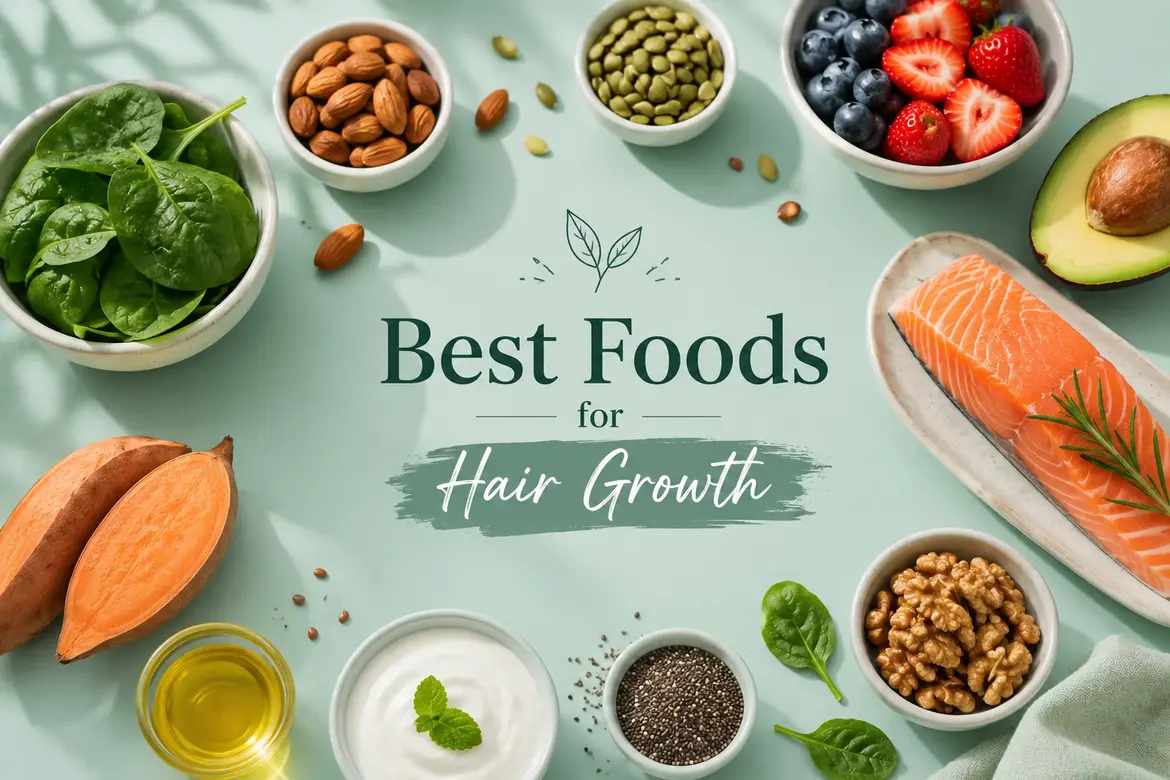
Do you also feel like suddenly everyone on the internet is losing their hair? From thinning strands to shedding in chunks, it seems alarmingly common online. Yet there’s another corner of the internet full of long, luscious hair, elaborate routines, and a handful of supplements. So how do you transform dull, damaged hair into healthy hair? Beyond stress, one crucial factor deeply affects your hair: nutrition. Foods for healthy hair are a real thing — not just a gimmick.
And that doesn’t mean popping gummies for the right hair nutrition. We’ve always been told “you are what you eat,” and it’s true. The basic science is clear: you eat, you absorb nutrition, and that’s how your body functions. When it comes to foods for hair growth, the same mantra applies—your hair needs specific nutrients, and a deficiency can cause hair loss.
It’s also worth a reality check: the gorgeous hair we see on magazine covers, in movies, and in ads is often scripted and styled to look flawless. Once you know what to realistically expect from your hair, you know what steps to take. So let’s start with eating the right food, which helps not just your hair but your whole body and mind. Let’s get into the best foods for healthy hair you should be eating. If you also want a topical boost, our guide on rosemary oil for hair growth pairs perfectly with a hair-friendly diet.
Medical disclaimer: This article is for educational and informational purposes only and should not be considered medical advice. Hair growth and hair loss can be influenced by genetics, age, hormones, medications, stress, and underlying medical conditions. If you are experiencing sudden, severe, or persistent hair loss, consult a licensed healthcare professional or dermatologist for personalized evaluation and treatment.
How Nutrition Supports Healthy Hair Growth: The Science Behind It
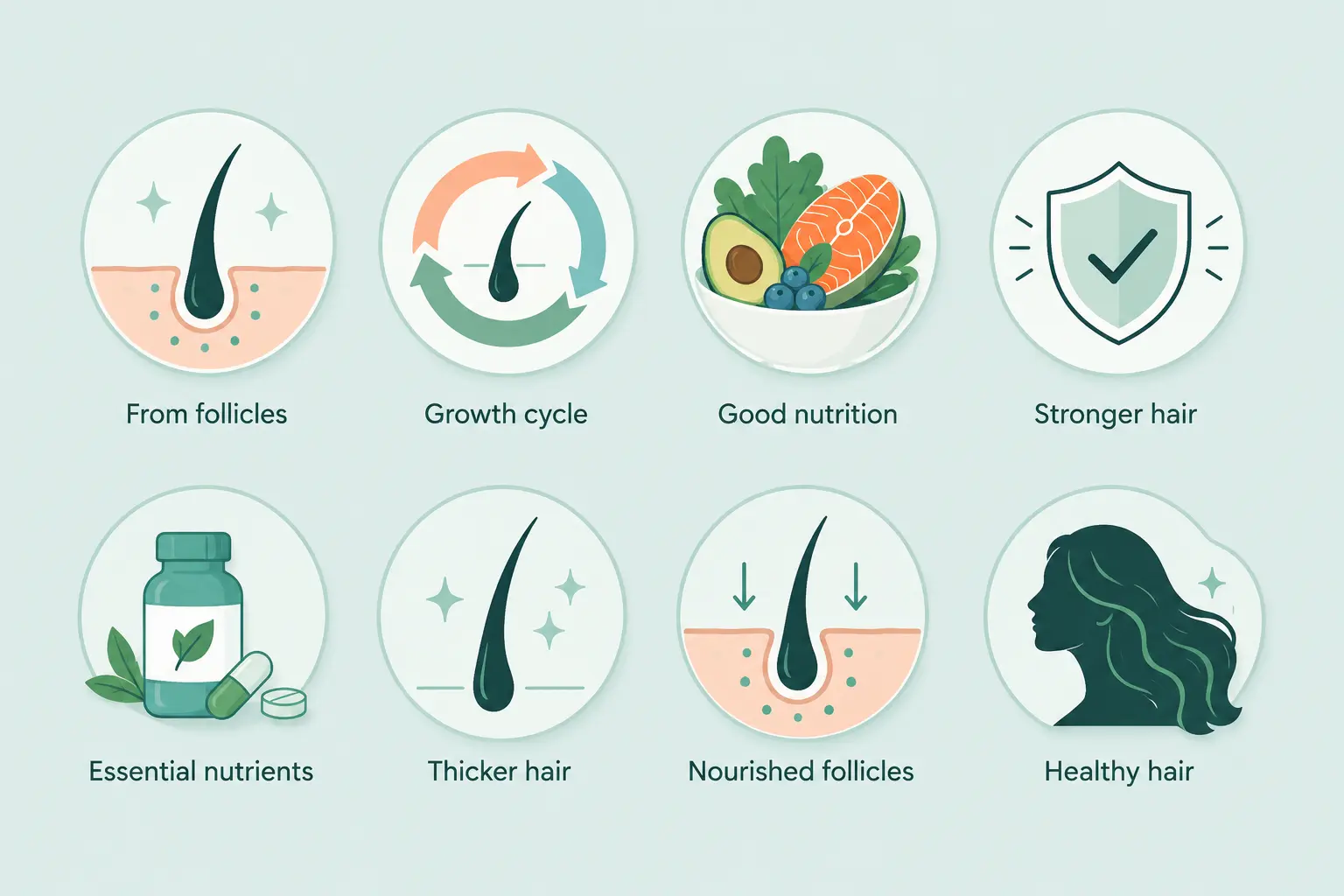
Before we get into foods for hair growth, it’s important to understand the science: how your hair grows and how the food you eat affects that growth. Here’s the primary cycle your hair goes through naturally.
Anagen
This is the phase where your hair grows abundantly. Remember childhood—each time you cut your hair, it came back looking even denser. Your hair keeps growing right from the follicle as you grow up, and the anagen phase continues for several years.
Catagen
Also known as the transition phase, this is where things slow down. Growth becomes moderate—it doesn’t stop altogether but prepares for the resting stage. In catagen, you’ll see some hair fall, which is normal, along with slower growth.
Telogen
This is the phase everyone dreads. In telogen, hair starts to shed to make space for new hair. The follicles are continuously producing new hair, so they need constant nutrition to function properly — and that is exactly where foods for healthy hair come in.
Your hair will always go through these cycles, and nothing can prevent the telogen phase from kicking in. But the right nutrition gives your hair the boost it needs to regrow in the next phase. Eating healthy food for hair growth isn’t a miracle — it’s a lifestyle. You may not see immediate effects, but you’ll notice better healing, recovery, higher energy, and overall clarity, both physically and mentally. Grounded in research from the National Institutes of Health (NIH) and the American Academy of Dermatology, the link between nutrition and hair quality stands strong—though genetics and other factors play a role too.
Healthy Food for Hair Growth: Why Your Plate Matters More Than You Think
The whole body runs on the right food—but when it comes to hair, we often look only at the outside. Drowning in hair care products, we overlook the root cause, which can be a nutritional deficiency. And even if you don’t have deficiencies, eating right should be your first step anyway. So let’s understand what genuinely helps your hair grow and boosts overall hair quality.
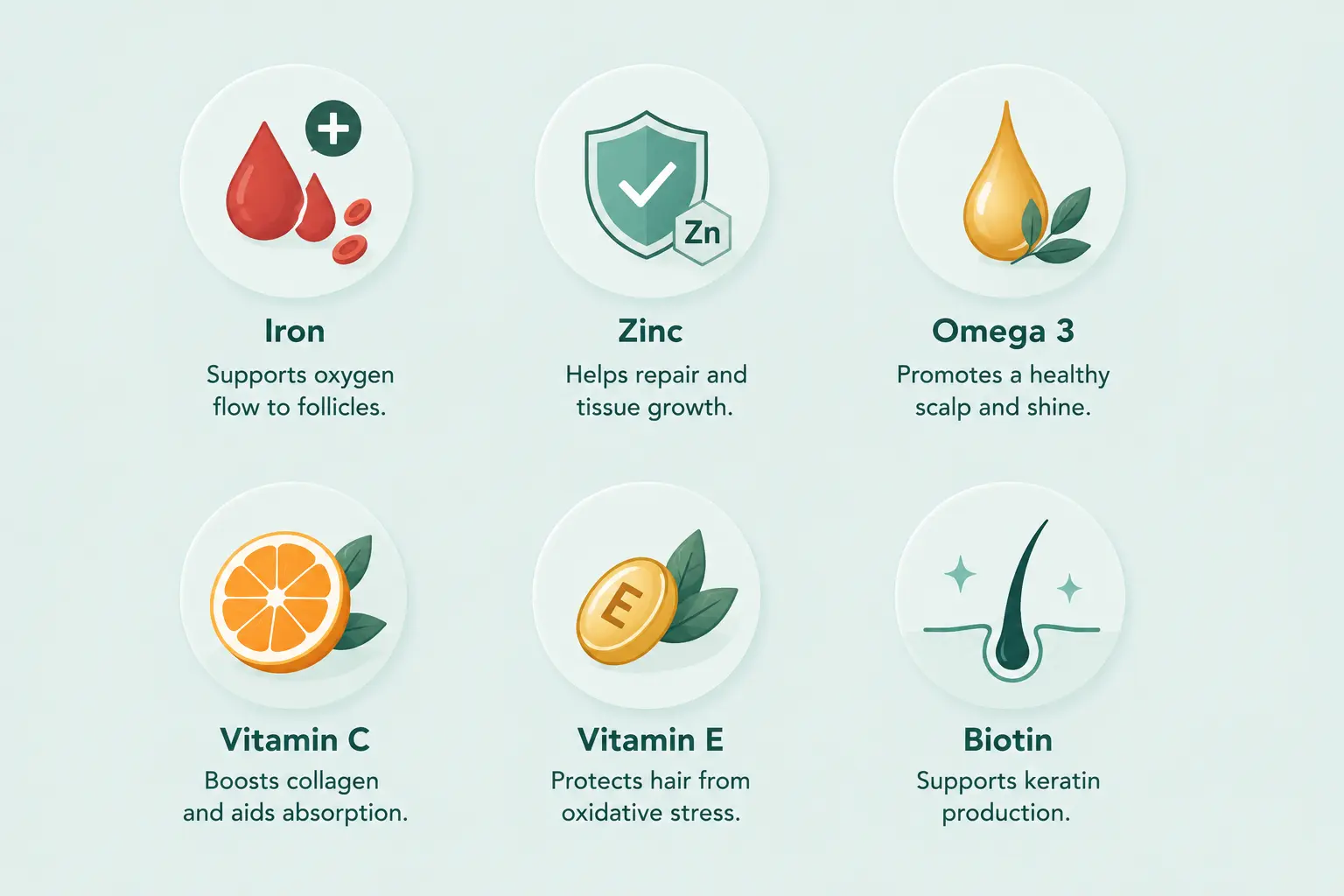
Your hair is made of a protein called keratin. So by default, the first pick on your healthy food for hair growth list has to be protein-rich foods. You already consume protein, but your body prioritizes essential functions when allocating nutrients — and hair sadly isn’t as essential as, say, cell function. So eating adequate protein regularly is necessary. But protein isn’t the sole hero; it can’t function alone. A complete nutrition profile for hair must include the following:
- Iron — facilitates oxygen flow to your scalp; hair follicles need this oxygen for the optimum flow of nutrients. Consider getting your iron levels checked.
- Zinc — helps with repair and tissue growth. Since hair is constantly renewing itself, it needs zinc to do so efficiently.
- Omega-3 — promotes a healthy scalp (the first step to luxurious hair) and also supports heart and brain function.
- Vitamin C — boosts collagen and supports healthy hair structure; pair it with iron for optimum absorption. Find it in citrus fruits like oranges and grapefruit.
- Vitamin E — an antioxidant that protects hair from oxidative stress by combating free radicals. You can eat it or apply it directly via masks and oils.
- Biotin — a B vitamin that helps convert food into energy and plays an important role in keratin production.
So whenever you think about healthy food for hair growth, make sure you include foods with adequate amounts of these vitamins and minerals. For a deeper look at women’s nutrition, see our guide to the best supplements for women.
Protein-Rich Foods for Healthy Hair: The Building Blocks of Strong Strands
When it comes to foods for healthy hair, protein-rich foods are non-negotiable. According to the Harvard School of Public Health, protein should make up 10% to 35% of total daily calories—so enough protein isn’t just recommended for healthy hair, but for overall body function. Consuming enough protein-rich foods for healthy hair is essential for maintaining growth and minimizing breakage.
If your protein intake is consistently low, your body redirects amino acids to more critical functions, resulting in increased shedding and a disturbed hair growth cycle. Here are the protein-rich foods for healthy hair you should consume:
| Food | Serving Size | Approximate Protein |
|---|---|---|
| Eggs | 2 large eggs | 12–13g |
| Chicken Breast | 3 oz (85g) cooked | 25–27g |
| Turkey Breast | 3 oz (85g) cooked | 24–26g |
| Salmon | 3 oz (85g) cooked | 22–25g |
| Tuna | 3 oz (85g) cooked | 20–25g |
| Greek Yogurt | ¾–1 cup | 15–20g |
| Cottage Cheese | 1 cup | 24–28g |
| Shrimp | 3 oz (85g) cooked | 18–20g |
You don’t have to obsess over these foods—you already eat most of them. What matters is getting enough protein daily. Spread your protein across the day rather than eating it all in one meal; that gives you constant energy and avoids bloating. Aim for protein in every meal, from breakfast to dinner. If you’re looking for vegan protein-rich foods for healthy hair, try these:
- Lentils
- Chickpeas
- Tofu
- Tempeh
- Edamame
- Quinoa
- Black beans
For plant-based meal inspiration, browse our high-protein vegetarian meals guide.
Fruits that Help in Hair Growth: Nature’s Nutrient-Packed Beauty Boosters
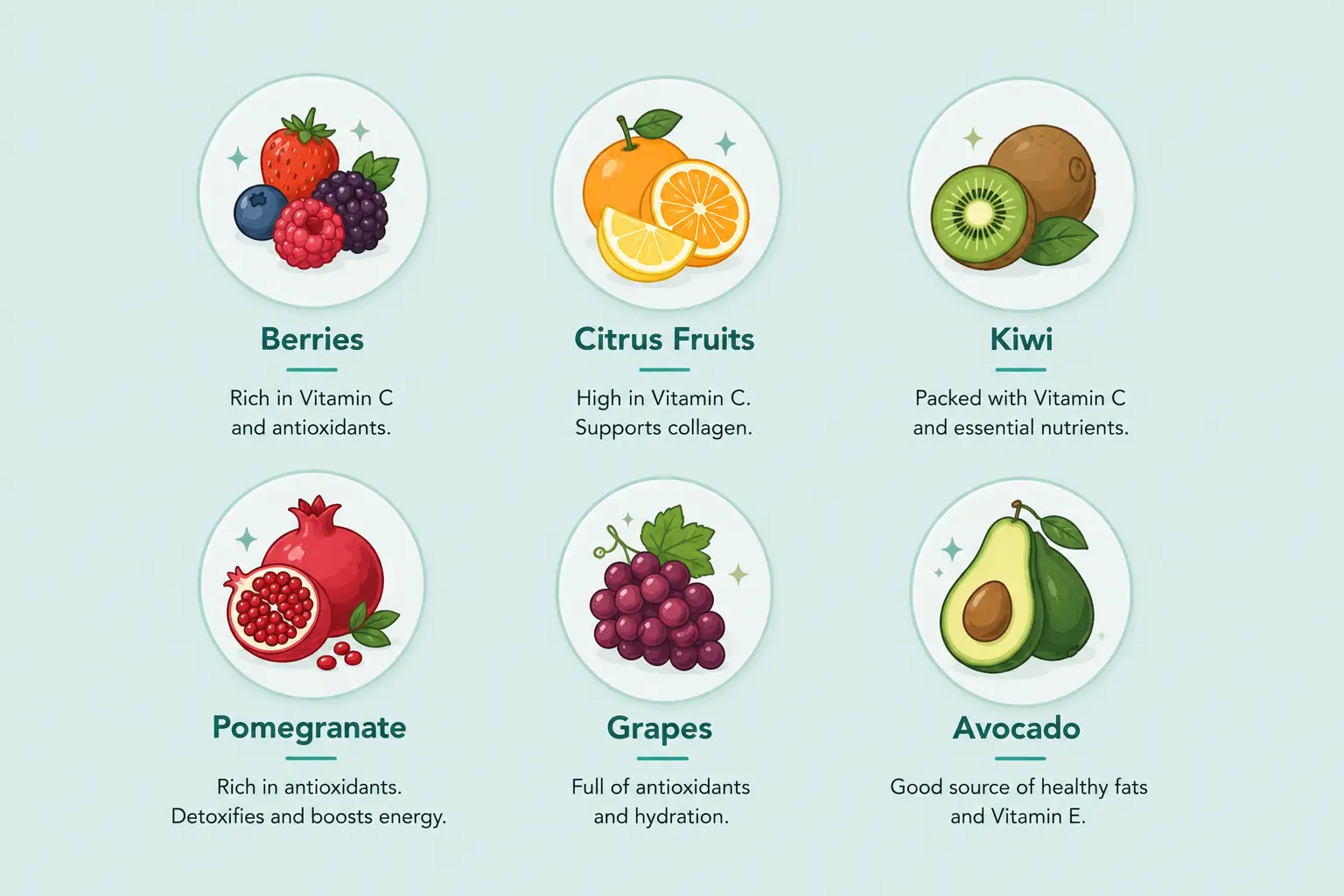
Taking protein-rich foods for healthy hair is a major step, but pairing them with other foods for hair growth is equally important. Fresh fruits are often sidelined, yet they provide vitamins, fiber, water, and natural fructose for sustained energy. To be clear: eating fruit doesn’t directly grow hair, but it supplies the antioxidants and nutrients that support overall hair growth by protecting cells from oxidative stress. Here are the fruits that help in hair growth:
- Berries—blueberries, strawberries, raspberries, and blackberries—are rich in vitamin C and antioxidants, boosting iron absorption and collagen production.
- Citrus fruits—oranges, grapefruits, lemons, and mandarins—provide a great dose of vitamin C and support digestion and gut health.
- Kiwi — small but mighty, delivering vitamin C, fiber, vitamin E, vitamin K, potassium, and copper.
- Pomegranate — loaded with plant compounds; a great detox and energy booster.
- Grapes—contain antioxidants like resveratrol plus water and nutrients; they don’t grow hair directly but supply nutrients for healthy hair.
- Avocado—yes, it’s a fruit—and a source of healthy fats and vitamin E that support skin and scalp health.
The key with fruits that help in hair growth is to eat a variety rather than sticking to just one.
Greek Yogurt and Hair Growth: Is There Really a Connection?
Greek yogurt and hair growth go back a long way. For centuries, cultures have used yogurt as a hair mask thanks to its lactic acid, which helps with exfoliation. Today, the connection between Greek yogurt and hair growth has gained attention among nutritionists and wellness experts, largely because Greek yogurt is packed with nutrients that support overall health.
You can eat it or apply it directly to your hair. Nutritionally, the Greek yogurt and hair growth link comes down to protein—depending on the brand, a single serving provides 15 to 20 grams, making it one of the easiest ways to increase daily protein intake. Greek yogurt also contains calcium, vitamin B12, potassium, and probiotics. Those probiotics support gut health, which improves overall health — and when you’re healthy nutrition-wise, your hair benefits too. Just don’t forget to check the other causes that can lead to hair loss.
Diet for Good Hair Growth: What a Hair-Friendly Day of Eating Looks Like
Let’s build a diet for good hair growth so you know exactly what to eat and when—and how to incorporate all these foods without feeling overwhelmed. Here’s a simple, easy-to-follow plan.
Breakfast
- Greek yogurt parfait
- Mixed berries
- Chia seeds
- Almonds
For more morning ideas, see our high-fiber breakfast ideas.
Mid-Morning Snack
- Apple slices with peanut butter
- A handful of mixed nuts
- Cottage cheese with fruit
Lunch
- Grilled salmon
- Mixed greens
- Quinoa
- Avocado
Afternoon Snack
- Hard-boiled eggs
- Roasted chickpeas
- Greek yogurt
Dinner
- Grilled chicken
- Sweet potatoes
- Roasted broccoli
For more heart- and hair-friendly meal ideas, explore our heart-healthy diet foods guide.
Wrapping Up
When you want healthier-looking hair, there’s no single magic food or pill. Healthy hair comes from the things you do every day — eating a balanced diet and taking care of your whole body. Your hair is shaped by genetics, hormones, age, and lifestyle, but the food you eat gives your body what it needs to help your hair grow normally and stay healthy. Choose the best foods for hair growth consistently, and the results will follow.
Lifestyle Habits that Support Foods for Healthy Hair
Even the best foods for hair growth work better when paired with a few supportive habits. Hydration is the simplest one—water carries nutrients to your scalp and keeps strands from becoming dry and brittle, so aim for steady water intake throughout the day alongside your hair-friendly meals.
Sleep and stress management matter just as much. Chronic stress pushes more follicles into the shedding phase, which is why a calm routine amplifies the effect of healthy food for hair growth. Prioritize seven to nine hours of quality sleep, and build in small daily resets — a walk, breathwork, or journaling — to keep cortisol in check.
Finally, be gentle with the hair you already have. Limit high-heat styling, avoid tight hairstyles that tug at the roots, and don’t over-wash, which strips natural oils. Combining these habits with consistent foods for hair growth gives your strands the best possible environment to grow stronger, thicker, and healthier over time.
Remember that consistency beats intensity. You won’t see an overnight change from any single meal, but a steady pattern of protein-rich foods for healthy hair, colourful fruits, omega-3s, and a balanced diet for good hair growth compounds into visible results across a few months.
Frequently Asked Questions About Foods for Hair Growth
What vitamins are good for hair growth?
Include these on your hair journey: vitamin D, biotin, vitamin C, vitamin E, iron, and zinc. Together they support keratin production, scalp health, and oxygen flow to the follicles.
How do you know if your hair needs protein?
If your hair lacks protein, you may notice intense shedding, weak and brittle strands, and breakage. These signs can also stem from heat damage and other factors, so consider the full picture.
Do grapes help with hair growth?
Grapes contain vitamin C and antioxidants such as resveratrol, which can indirectly support hair growth by supplying nutrients and protecting cells from oxidative stress.
How do you make your hair healthy?
Eat a balanced diet, stay hydrated, and use gentle hair care products. Also avoid excessive heat styling and frequent hair colouring, which weaken the strands over time.
What can you do for GLP-1 hair loss?
Rapid weight loss from GLP-1 medications can trigger shedding. Maintain a balanced diet, avoid crash dieting, ensure adequate protein, and speak with a medical practitioner.